
When planning for pregnancy, many women hear about egg follicle size during an ultrasound scan. The size of the follicle helps doctors determine whether ovulation is approaching and whether the egg is likely to be mature enough for fertilization. However, follicle size alone does not guarantee pregnancy. Egg quality, hormone levels, uterine health, sperm quality, and the timing of intercourse all contribute to successful conception.
According to Dr. Chanchal Sharma, achieving pregnancy requires a comprehensive evaluation of reproductive health rather than focusing on a single ultrasound measurement. Understanding how follicles grow can help couples make informed decisions while trying to conceive.
What Is an Egg Follicle?
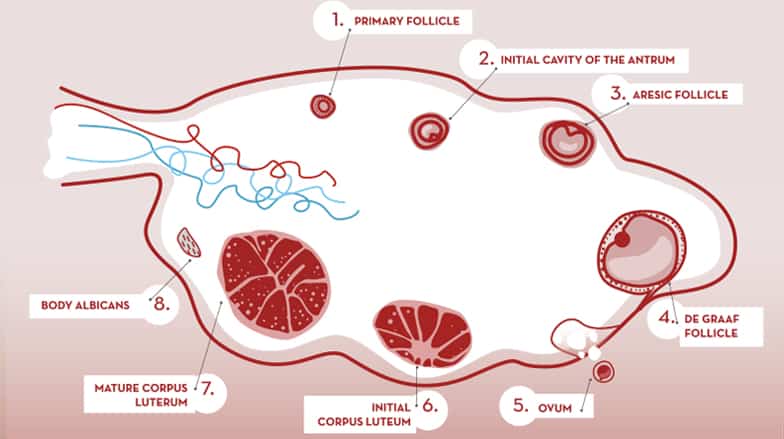
An egg follicle is a tiny fluid-filled sac inside the ovary that contains an immature egg (oocyte). At the beginning of each menstrual cycle, several follicles start developing under the influence of reproductive hormones. Usually, one follicle becomes dominant and continues to grow until ovulation, when it releases the mature egg.
Doctors monitor follicle growth using transvaginal ultrasound, especially in women undergoing fertility treatment or ovulation monitoring. Tracking follicle development helps identify the most fertile days of the cycle.
What Is the Ideal Egg Follicle Size for Conceiving?
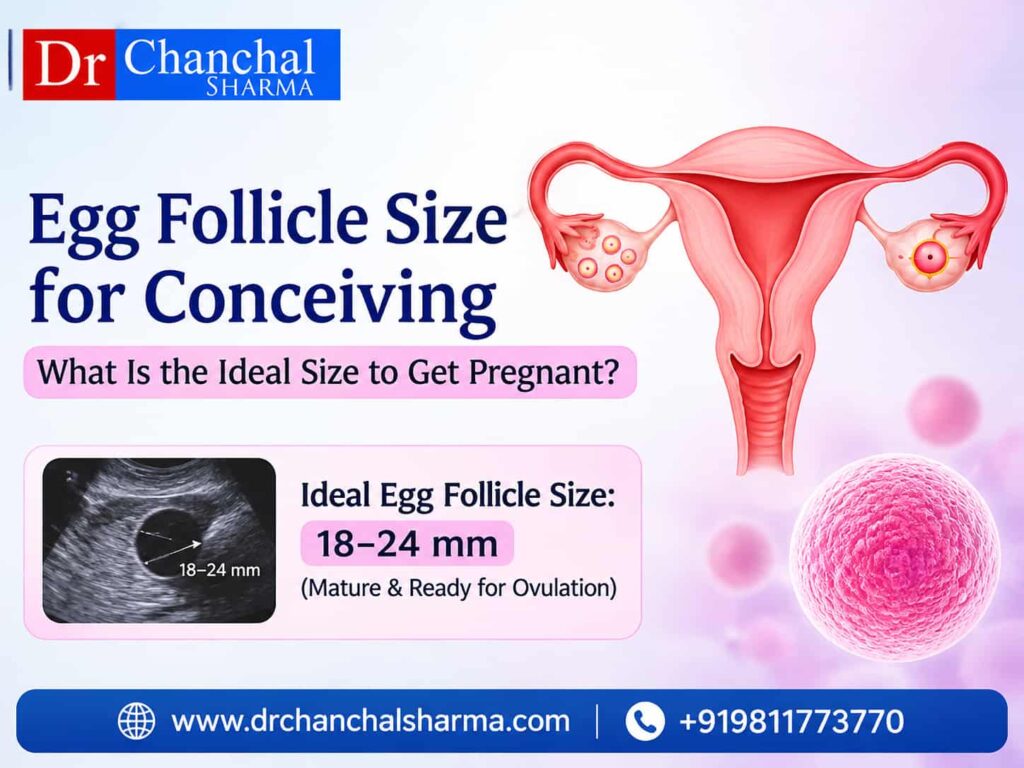
A mature follicle generally measures 18–24 mm, which is considered the ideal range for ovulation in most women. Once the follicle reaches this size, the egg inside is usually ready to be released.
As a general guide:
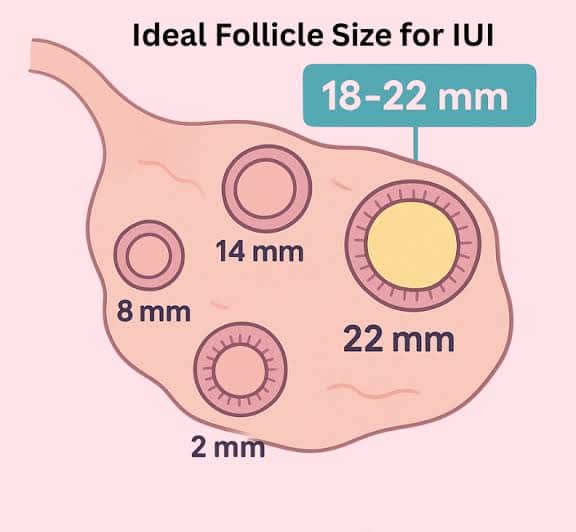
- Below 14 mm: Immature follicle
- 14–17 mm: Developing follicle
- 18–22 mm: Ideal size for ovulation
- 22–24 mm: Mature follicle with good ovulation potential
- Above 26 mm: May become overmature in some cycles
Every woman is different, so the exact size at which ovulation occurs may vary slightly. Hormonal balance plays an important role in determining when the follicle ruptures.
Is There a Minimum or Maximum Follicle Size for Pregnancy?
There is no fixed follicle size that guarantees pregnancy, but follicles measuring around 18 mm or larger are more likely to release a mature egg. In some women, ovulation can occur with follicles measuring 16–17 mm, while others may require a slightly larger size.
Similarly, a very large follicle is not always beneficial. If a follicle continues growing beyond the normal ovulation range, it may fail to rupture or develop into a functional ovarian cyst. This is why doctors evaluate both follicle size and hormonal changes instead of relying on measurements alone.
How Fast Does an Egg Follicle Grow?
During the later part of the menstrual cycle, the dominant follicle usually grows 1–2 mm per day. Monitoring this growth helps determine the expected time of ovulation.
Regular follicle monitoring is commonly recommended for:
- Women with irregular ovulation
- Couples trying to conceive naturally
- Ovulation induction treatment
- IUI cycles
- IVF treatment planning
Accurate monitoring improves the timing of fertility treatment and increases
the chances of releasing a mature egg.
Does a Larger Follicle Mean Better Egg Quality?
Not necessarily. While an appropriately sized follicle indicates that the egg is likely mature, egg quality depends on several additional factors, including:
- Age
- Ovarian reserve (AMH)
- Hormonal balance
- Lifestyle habits
- Nutrition
- Medical conditions such as PCOS or endometriosis
For example, a woman may have a perfectly mature follicle but reduced egg quality due to age-related changes. Likewise, younger women sometimes achieve pregnancy even when ovulation occurs from a slightly smaller follicle.
Therefore, fertility specialists assess the complete reproductive picture rather than follicle size alone.
Egg Follicle Size During Natural Pregnancy, IUI and IVF
In a natural menstrual cycle, ovulation usually occurs once the dominant follicle reaches approximately 18–22 mm.
During IUI (Intrauterine Insemination), medications may be used to stimulate follicle growth, and ovulation is often triggered when the leading follicle reaches around 18–20 mm.
For IVF, multiple follicles are encouraged to develop simultaneously. Egg retrieval is generally scheduled when several follicles have reached an appropriate level of maturity, allowing the collection of multiple mature eggs.
Each treatment plan is individualized based on age, ovarian reserve, hormone levels, and overall fertility goals.
Ayurvedic Perspective on Healthy Ovulation

From an Ayurvedic viewpoint, healthy ovulation depends on balanced hormones, proper nourishment of the reproductive tissues (Artava Dhatu), efficient digestion (Agni), and a balanced lifestyle.
According to Dr. Chanchal Sharma, fertility care should focus on improving overall reproductive wellness rather than only increasing follicle size. Personalized Ayurvedic treatment may include dietary guidance, lifestyle modifications, herbal formulations, stress management, and therapies that support hormonal balance where clinically appropriate.
Maintaining a healthy body weight, consuming a nutrient-rich diet, sleeping adequately, and managing stress can also contribute to regular ovulation and reproductive health.
When Should You Consult a Fertility Specialist?
It is advisable to seek medical evaluation if:
- Menstrual cycles are consistently irregular.
- Follicles are not growing normally.
- Ovulation is absent or infrequent.
- PCOS, thyroid disorders, or endometriosis are affecting fertility.
- Pregnancy has not occurred after 12 months of regular unprotected intercourse, or after 6 months if you are over 35 years of age.
Early assessment can help identify underlying causes and guide the most appropriate treatment plan.
Conclusion
Understanding the ideal egg follicle size can provide valuable insight into ovulation and fertility, but it represents only one aspect of successful conception. Healthy eggs, balanced hormones, good uterine health, and proper timing all play equally important roles.
If you are facing difficulties with ovulation or conception, a comprehensive fertility evaluation is essential. Dr. Chanchal Sharma offers a personalized approach that combines detailed fertility assessment with evidence-informed Ayurvedic care to support overall reproductive health and help couples make informed decisions on their fertility journey.

Dr. Chanchal Sharma
BAMS, MD – Ayurveda | Ayurvedic Gynecologist & Infertility Specialist
Dr. Chanchal Sharma specializes in the Ayurvedic treatment of PCOS, Infertility, Blocked Fallopian Tubes, Endometriosis, Irregular Periods, and Women’s Reproductive Health. She provides personalized treatment plans focused on natural healing and holistic wellness.
📍 J-145, Ground Floor, Rajouri Garden, New Delhi – 110027
Read Our More Articles on Women’s Ayurvedic Health Care-
- विश्व आयुर्वेद दिवस महिला स्वास्थ्य को समर्पित
- महिलाओं को बार-बार यूरिन इन्फेक्शन क्यों होता है? कारण, लक्षण और बचाव
- जानिए PCOD को आयुर्वेदिक उपचार से कैसे ठीक करें
- International Women’s Day 2026
- How Age Affects Fertility in Men and Women