
Symptoms of uterus tuberculosis and Ayurvedic Care
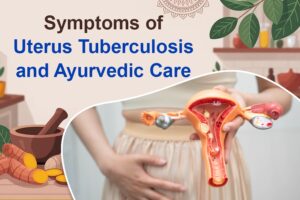
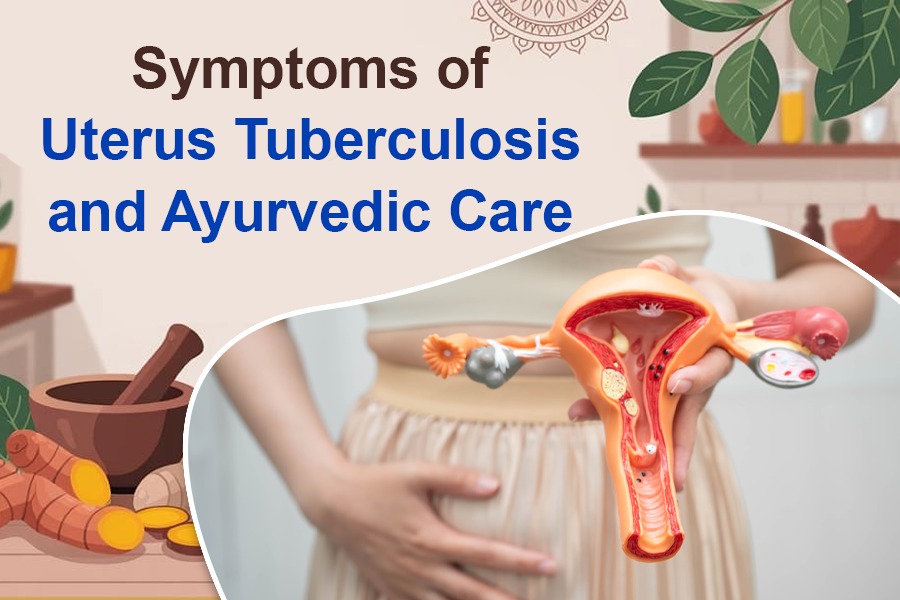
Tuberculosis of uterus is a disease in which the tuberculosis bacterium (Mycobacterium tuberculosis) infects a woman’s reproductive organs (such as the uterus, fallopian tubes, ovaries, cervix, and vagina). It typically reaches the reproductive organs via the bloodstream, often following a pulmonary (lung) TB infection. In countries like India, it is a major cause of female infertility.
It is not necessary to have a prior history of pulmonary TB to develop genital TB, it can occur without any such history. It can spread to the reproductive system from the lungs or other parts of the body through the bloodstream or lymphatic system.
Why should you worry?
Worldwide, tuberculosis is the number one cause of mortality by a single infection (above HIV/AIDS) and one of the top ten causes of death overall. Mortality from tuberculosis in HIV negative individuals reported in 2017 was approximately 1.3 million (range 1.2–1.4 million), adding up to 300,000 additional deaths caused by tuberculosis in HIV positive individuals.
While tuberculosis can affect people of any age, more than 90% of infected adults are 15 years of age or older. Out of the people infected with tuberculosis disease, 9% have HIV infection (72% in Africa), and two-thirds of infected people reside in eight countries including India (27%), China (9%), Indonesia (8%), the Philippines (6%), Pakistan (5%), Nigeria (4%), Bangladesh (4%) and South Africa (3%). Cases and deaths due to the disease are reported among men (64%), but it also affects women (36%) in large numbers. Fourteen percent of the 6.4 million incident cases reported in 2017 were extrapulmonary, varying from 8% in the WHO Western Pacific region to 24% in the WHO Eastern Mediterranean region. However, it has been claimed that extrapulmonary tuberculosis remains underreported.
Read more : What Is Fallopian Tube Blockage?
Symptoms of uterus tuberculosis:
Symptoms of tuberculosis in female includes:
- Infertility: The inability to conceive is the key and most common symptoms of uterus tuberculosis.
- Irregular Menstrual Cycles: Scanty periods, severe cramps or pains, or amenorrhea (absence of menstruation).
- Pelvic Pain: Constant pain in the lower part of the abdominal cavity or pelvis.
- Vaginal Discharge: Unusual or foul-smelling discharge.
- Weakness and Fever: Slight fever and fatigue.
Diagnostic tests:
This condition is hard to detect due to the similarity of symptoms with usual gynecological diseases. Dr. Chanchal Sharma (BAMS, MD – Ayurveda) suggests these tests, which include:
- endometrial biopsy
- Hysteroscopy
- Laparoscopy
- PCR, and
- Mantoux test
Causes of tuberculosis of uterus:
- Via the bloodstream (hematogenous spread): Bacteria travel through the blood from the primary site of infection—usually the lungs (pulmonary TB), or sometimes the kidneys, bones, or gastrointestinal tract—to other locations.
- Lymphatic system: Bacteria reach the reproductive tract via lymphatic vessels from organs in the pelvic or abdominal regions.
- Direct spread: The infection spreads directly from the infected adjacent organs in the abdomen or peritoneum.
- Spread via sexual contact (very rare): Infection of the genital tract by direct contact during sex with an infected person is very rare.
Methods of Treatment for TB in the uterus:
Verified by Dr. Chanchal Sharma (BAMS, MD – Ayurveda)
There is a natural therapy that involves no pain or the need for anesthesia, and it is performed immediately after menstruation. This oil works on the blocked tubes to naturally dissolve and clear away any inflammation or waste present there. Hence, the tubes open up without the need for any surgery.
If you are looking for treatment of TB in the uterus, Uttar Basti Therapy is your answer.
What is Uttar Basti Therapy?
Uttar Basti is a Natural Fertilizer for the Uterus. This is the best remedy for tuberculosis of uterus. In case of tuberculosis of uterus, the doctor introduces medicinal oil or ghee (like Phala Ghrita) through a thin tube directly into the uterus.
How it works: This oil gives nourishment to the walls of the uterus. Similar to the way the addition of water and fertilizer to barren land makes it fertile and soft, the same happens in the case of Uttar Basti to sustain natural pregnancy.
Before Uttar Basti Ayurvedic therapy, your body needs detoxification; it means clearing out toxins from the body, which is necessary for natural pregnancy. This detoxification process is called Panchkarma.
What is Panchkarma Therapy?
It is a cleansing process for the body when waste matter and toxins inside the reproductive organs hamper organ function. The process of Panchakarma eliminates these wastes and helps increase female fertility.
It involves these main practices:
- Virechana (Cleansing of Bodily Toxins)
The treatment is meant to treat the inflammation of the ovaries and reduce any excess of body heat, or Pitta. It involves the doctor giving the patient medicated ghee orally for a few days, followed by giving herbal medications for the cleansing of the bowels.
How it works: Just as we do when resetting a phone infected with a virus or junk files so that the phone does not freeze, Virechana resets our liver and the digestive system. It gets rid of any toxins that are in the body and makes sure that hormones are balanced and weak eggs are stimulated into maturity.
- Basti (Internal Servicing of the Reproductive System)
The procedure itself corrects the imbalance of the Energy system responsible for the regulation of the reproductive organs—uterus and ovaries. This method involves the administration of medicinal oils or herbal decoctions through the rectal route.
How it works: As a bike chain freezes and stops turning without being oiled on time, the Basti therapy acts similarly by lubricating the pelvic area, which enables proper ovulation.
- Vamana (A Vomiting-based Treatment for Clearing Blockages)
This treatment proves to be extremely effective for females suffering from irregular or non-menstrual cycles, as a result of PCOS or obesity. This treatment involves administering drugs that cause vomiting, hence getting rid of excess water retention and toxins (Kapha) from the upper body.
How it works: Just like how a clogged drainage system will not allow water to flow through and necessitates cleaning it up to unblock the drain, so does Vamana unblock the blockages within the body that prevent the passage to the ovaries.
- Abhyanga and Swedana (Massage and Steam Therapy to Enhance Blood Flow)
The procedure includes gentle massage of the whole abdominal region, lower back, and pelvis using special Ayurvedic oils, after which steam is applied through herbal mixtures that are heated up.
How it works: The effect of the warmth of the sun rays on ice to make it melt and start flowing; a similar action takes place here and breaks the stiffness inside the reproductive organs. Consequently, there is improved circulation of blood and oxygen in the womb, making it fertile and receptive.
Other alternatives for TB in uterus:
- Enhancing lifestyle and daily routine: Just taking allopathic medicines won’t give you the desired results. Follow these tips:
- Anti-inflammatory diet: Consume foods with anti-inflammatory properties and antioxidants, such as turmeric, ginger, and citrus fruits rich in Vitamin C.
- Stopping unhealthy practices: Avoid smoking and alcohol since they can adversely affect your reproductive system and the function of the fallopian tubes.
- Mental health management: Your mind is an important aspect of your well-being. It Includes the following:
- Yoga/Meditation: Stress is another factor that causes hormonal imbalance. A regular 5-10 minutes of meditation can help reduce your stress. Certain yoga positions can help you with pelvic blood circulation.
- Pelvic/abdominal massage: Some specialists support the use of abdominal massages to increase blood circulation and reduce pelvic adhesions.
- Ayurvedic medicines and herbs: Some of the rasayana are guduchi, amalaki, pippali, and yashtimadhu. Ayurvedic medicines such as chyawanprash and ashwagandha can also reduce erythrocyte sedimentation rate (ESR). These medicines are provided according to the expert guidance of Dr. Chanchal Sharma (BAMS, MD – Ayurveda)
Ayurvedic herbs that can be used for treatment of TB in uterus are brahmi, ashwagandha, vidarikanda, guduchi, yastimadhu, haritaki, draksharishta, eladi churna, and chitrakadi haritaki.
FAQ:
Q1: How does TB in uterus cause infertility?
Ans: In the case of TB in uterus, the infection can obstruct the entry of the egg into the uterus. It can also obstruct the fertilization process as sperm may not reach the egg in the fallopian tube. It can reduce the chance of fertility and cause infertility.
Q2: Does ayurveda really show results?
Ans: It is widely understood that Ayurveda works slowly. From a broader perspective, even surgical treatment may result in failure. The word guarantee in itself is misleading when it comes to results. So don’t believe it when you read the word guarantee for your pregnancy. If you don’t believe in yourself, no doctor or treatment can help you.
Just because the process is time-consuming, it doesn’t mean it doesn’t work. Ayurveda works miraculously and may even produce astonishing results.
Conclusion:
Tuberculosis of uterus should never be fought alone. Whether you are struggling with female infertility or looking for a natural treatment for TB in uterus, finding the underlying cause using natural methods offers real hope. Your solution is the Ayurvedic approach. At Aasha Ayurveda, under the expert guidance of Dr. Chanchal Sharma (BAMS, MD – Ayurveda), a couple can overcome their fertility challenges and start a productive life as parents.