
Blocked fallopian tubes can make it difficult to conceive because the tubes play an important role in transporting the egg and allowing fertilisation to occur. If one or both tubes are blocked or damaged, the chances of natural pregnancy may be affected.
If you are searching for how to unblock fallopian tubes naturally, how to open blocked fallopian tubes without surgery, or whether exercise and home remedies can help, the first step is to understand the type of blockage you have.
The important fact: No diet, exercise routine, massage or home remedy has been proven to reliably reopen a fallopian tube blocked by scar tissue. However, depending on the location and severity of the blockage, some women may have options such as selective tubal cannulation, tubal surgery or IVF.
This guide explains what may cause fallopian tube blockage, what natural approaches can and cannot do, how the condition is diagnosed, and which treatment options may help you plan your next steps.
What Causes Blocked Fallopian Tubes?
Fallopian tube blockage treatment may occur when inflammation, infection, adhesions or structural damage interferes with the passage through the tube. Some women have no noticeable symptoms and discover the condition during fertility testing.
Common causes include:
1. Pelvic Inflammatory Disease (PID)
Pelvic inflammatory disease is an infection of the upper reproductive tract. It can cause inflammation and scarring in the fallopian tubes. Some sexually transmitted infections, including chlamydia and gonorrhoea, can lead to tubal damage if not treated appropriately.
2. Endometriosis
Endometriosis occurs when tissue similar to the lining of the uterus grows outside it. In some cases, inflammation and adhesions around the ovaries and fallopian tubes can interfere with their normal function.
3. Previous Pelvic or Abdominal Surgery
Surgery involving the reproductive organs or nearby structures may sometimes lead to adhesions. These bands of scar tissue can distort the anatomy around the tubes and affect fertility.
4. Previous Ectopic Pregnancy
An ectopic pregnancy occurs when a fertilised egg implants outside the uterus, often in a fallopian tube. The condition or its treatment may sometimes leave the affected tube damaged.
5. Hydrosalpinx
Hydrosalpinx develops when a fallopian tube becomes blocked and fills with fluid. It can affect fertility and may influence the treatment plan before IVF.
Identifying the cause and location of the blockage helps a fertility specialist determine whether further testing, a procedure, surgery or IVF may be appropriate.
How to Unblock Fallopian Tubes Naturally
Many women look for how to open blocked fallopian tubes naturally because they want to avoid surgery or improve their chances of pregnancy.
It is important to distinguish between supporting reproductive health and physically opening a blocked tube. A healthy lifestyle can support general wellbeing, but it cannot reliably remove internal scar tissue or correct a structural blockage.
Can Natural Remedies Open Blocked Fallopian Tubes?
There is no established natural remedy that has been proven to reliably reopen a physically blocked fallopian tube. The following measures may support general health while you plan your fertility care.
Balanced nutrition: Include a variety of vegetables, fruits, whole grains, pulses and suitable protein sources. Good nutrition supports general health, but no particular food can remove tubal scarring.
Regular physical activity: Walking, swimming and other suitable activities can support physical fitness and emotional wellbeing. Exercise has not been shown to physically open blocked fallopian tubes.
Stress management: Relaxation, meditation and gentle yoga may help manage the emotional strain of fertility difficulties. They should not be considered treatments for tubal obstruction.
Avoid smoking: Smoking can adversely affect reproductive health. Avoiding tobacco is a useful step when planning pregnancy, although it does not treat an existing blockage.
Seek treatment for infections: If a reproductive tract infection is suspected, consult a healthcare professional. Appropriate medicines can treat certain active infections, but established scar tissue may remain after the infection has resolved.
These measures can form part of a healthy routine, but they should not replace diagnosis or appropriate fertility treatment.
Natural Treatment for Blockage of Fallopian Tubes: What Should You Know?
Searches for Natural treatment for blocked fallopian Tubes often lead to recommendations involving herbs, supplements, abdominal massage or traditional remedies. Before trying these approaches, it is important to understand what the evidence supports.
Can Herbs and Supplements Unblock Fallopian Tubes?
Herbs such as turmeric and ginger are sometimes promoted for fertility or inflammation-related benefits. However, there is insufficient clinical evidence that these products can remove tubal scarring or reopen a physically blocked tube.
Some supplements can interact with medicines or may be unsuitable during pregnancy. Speak with a qualified healthcare professional before using herbal products while trying to conceive or undergoing fertility treatment.
Can Fertility Massage Open Blocked Fallopian Tubes?
Abdominal or fertility massage is sometimes advertised as a way to improve circulation or release adhesions. There is no reliable evidence that external massage can remove internal scar tissue or restore tubal patency.
Avoid forceful abdominal manipulation, especially if you have unexplained pelvic pain or could be pregnant.
Can Vaginal Steaming Help Open the Tubes?
Vaginal steaming has not been shown to open fallopian tubes. Steam cannot remove internal scarring, and excessive heat can cause burns or irritation to sensitive genital tissues.
Can Diet Help Heal Blocked Fallopian Tubes Naturally?
A balanced diet can support general health and preconception nutrition. However, no specific food, juice, detox drink or diet plan has been proven to reverse a structural fallopian tube blockage.
If your goal is pregnancy, focus on good overall nutrition while arranging an appropriate assessment of the tubes.
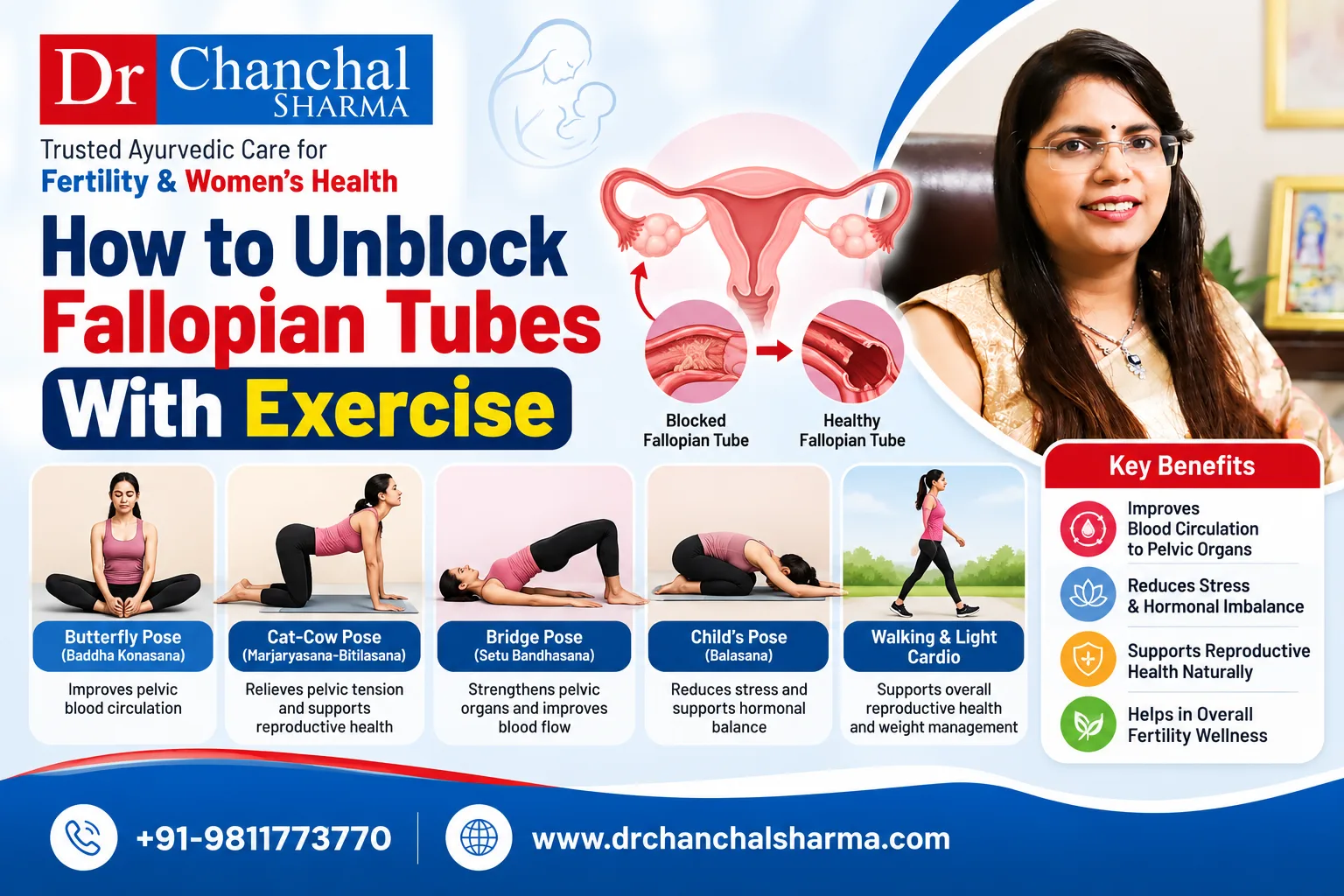
How to Unblock Fallopian Tubes With Exercise
Exercise is sometimes suggested as a natural way to improve fertility. Walking, swimming and other activities appropriate for your health can support physical fitness, mood and general wellbeing.
However, exercise cannot reliably unblock fallopian tubes. Physical activity does not remove adhesions, dissolve scar tissue or correct an obstruction inside the tube.
Choose activities that suit your fitness level and stop any movement that worsens pelvic pain. Yoga and relaxation exercises may help you manage stress, but they should not be presented as a proven treatment for tubal blockage.
How to Open Fallopian Tubes Without Surgery
Some women may have treatment options that do not involve major surgery. The appropriate approach depends on where the blockage is located, whether the tube is otherwise healthy and what other fertility factors are present.
1. Hysterosalpingography (HSG): Checking Whether the Tubes Are Open
Hysterosalpingography, commonly called HSG, is an imaging test used to assess fallopian tube patency. A contrast dye is introduced through the cervix, and X-ray images show whether it passes through the uterus and tubes.
HSG is primarily a diagnostic test, not a guaranteed way to open blocked tubes. Sometimes an apparent blockage near the uterus may be related to temporary tubal spasm or technical factors, so the clinician may recommend further assessment.
2. Selective Tubal Cannulation
Selective tubal cannulation may be considered for certain blockages near the opening of a fallopian tube into the uterus. A specialist uses a thin catheter and guidewire under imaging or endoscopic guidance to assess the blockage and, in selected cases, restore patency.
This is a medical procedure, not a home treatment. It is not suitable for every type of blockage, particularly when there is extensive tubal damage or scarring elsewhere.
3. IVF (In Vitro Fertilisation)
IVF is a fertility treatment that bypasses the need for the egg and sperm to meet inside the fallopian tube. Eggs are collected, fertilised in a laboratory and an embryo is transferred into the uterus.
IVF may be considered when both tubes are severely damaged or blocked, when tubal repair is unlikely to be beneficial, or when other fertility factors influence the treatment decision.
If hydrosalpinx is present, a specialist may recommend treating or managing the affected tube before IVF, depending on the findings.
The American Society for Reproductive Medicine explains that the choice between tubal procedures and IVF depends on factors such as the location and severity of tubal disease, age and other fertility considerations. <sup>1</sup>
Women seeking Tubal Blockage Treatment in Noida can benefit from natural and personalized Ayurvedic care for better fertility outcomes.
Couples looking for Tubal Blockage Treatment in Faridabad can access safe, non-surgical therapies that support reproductive health.
Those searching for Tubal Blockage Treatment in Gurgaon can rely on holistic treatments designed to improve chances of natural conception.Dr. Chanchal Sharma is a well-known Ayurvedic expert specializing in fertility care, offering natural treatments for tubal blockage and other reproductive issues, with clinics available across Delhi NCR, including Noida, Faridabad, and Gurgaon.
How to Treat Blocked Fallopian Tubes at Home
If you are wondering how to treat blocked fallopian tubes at home, the safest approach is to support your general health while arranging appropriate medical evaluation.
You can:
- Eat a balanced diet with a variety of nutritious foods.
- Avoid smoking and seek advice about alcohol when planning pregnancy.
- Stay physically active according to your health and fitness level.
- Follow medical advice for any diagnosed reproductive tract infection.
- Avoid unverified herbal products, vaginal preparations and procedures promoted as tube-opening remedies.
- Attend recommended fertility investigations and follow-up appointments.
These steps may support your wellbeing, but they cannot confirm whether a fallopian tube is open or reverse established structural damage.
Do not delay a fertility assessment while trying multiple home remedies, particularly if you have a history of pelvic infection, endometriosis or ectopic pregnancy.
Fallopian Tube Pain During Period: Is It a Sign of Blockage?
Fallopian tube pain during a period is not a reliable sign of tubal blockage. Menstrual cramps commonly result from uterine contractions, while pelvic pain can also occur with endometriosis, pelvic inflammatory disease, ovarian cysts and other gynaecological conditions.
Blocked fallopian tubes may cause no noticeable symptoms at all. Period pain alone cannot confirm whether a tube is blocked or open.
Arrange a medical assessment if you experience recurring pelvic pain, painful periods, pain during sex or unusual vaginal discharge.
Seek urgent medical attention for severe or sudden pelvic pain, fainting, shoulder-tip pain, heavy bleeding or pelvic pain with a possible or confirmed pregnancy. These symptoms may indicate a serious condition, including an ectopic pregnancy.
How Is Fallopian Tube Blockage Diagnosed?
A fertility specialist may recommend one or more tests based on your symptoms, medical history and fertility goals.
Hysterosalpingography (HSG)
HSG uses contrast dye and X-ray imaging to assess whether the tubes appear open and identify a possible blockage.
Ultrasound-Based Tubal Assessment
Specialised ultrasound techniques may be used to assess tubal patency. A routine pelvic ultrasound alone cannot reliably confirm that every fallopian tube is open.
Laparoscopy
Laparoscopy is a minimally invasive surgical procedure that allows a specialist to examine the pelvic organs directly. It may be considered when endometriosis, adhesions or other pelvic conditions are suspected, or when treatment is being planned.
No single test should be interpreted without considering the clinical context. Your clinician can explain what the results mean and whether additional assessment is necessary.
Can You Get Pregnant With Blocked Fallopian Tubes?
Pregnancy may still be possible if one fallopian tube is open and functioning, although the chances depend on other fertility factors. If both tubes are completely blocked, natural conception is generally not possible unless tubal patency is restored.
The outlook depends on the cause, location and severity of the blockage, as well as age, ovarian function, sperm health and other reproductive factors.
Even when a tube is open, pregnancy is not guaranteed. A damaged tube may also increase the risk of ectopic pregnancy. If you become pregnant after a history of tubal disease, contact your healthcare professional early for advice about appropriate monitoring.
When Should You Consult a Fertility Specialist?
Consider a fertility assessment if:
- You have been diagnosed with blocked or damaged fallopian tubes.
- You have a history of pelvic inflammatory disease, endometriosis or ectopic pregnancy.
- You experience persistent pelvic pain or painful periods.
- You have been trying to conceive without success.
- Your HSG report suggests a blockage and you need help understanding the findings.
- You want to compare non-surgical procedures, tubal surgery and IVF.
A fertility specialist can help you understand the likely cause of the blockage, whether it can be treated and which options fit your reproductive goals.
The practices of the Aasha Ayurveda Treatment Center not only help in the infertility of men and women but also give hope of living a healthy lifestyle by abandoning the various health issues. Ayurveda has shown magical results in the case of fallopian tube blockage treatment for many years, and we believe that it can be a solution to every health problem in life.
Consult our highly experienced and trained fertility specialists and gynecologists at these five branches of Aasha Ayurveda in Delhi, Mumbai, Pune, Hyderabad and Lucknow for a completely confidential consultation and get the best treatment for PCOD/PCOS, Tubal Blockage or female infertility.
Frequently Asked Questions
1. How can I unblock fallopian tubes naturally?
No natural remedy has been proven to reliably reopen a physically blocked fallopian tube. A balanced diet, appropriate exercise and stress management can support general health, but a structural blockage may require medical assessment and treatment.
2. How can I open blocked fallopian tubes at home?
Home remedies cannot reliably open a structurally blocked tube. Avoid relying on herbs, vaginal steaming, abdominal massage or detox products instead of getting a fertility assessment.
3. What is the natural treatment for blocked fallopian tubes?
There is no established natural treatment that reliably removes tubal scarring. Healthy lifestyle habits may support general wellbeing, but treatment depends on the location and cause of the blockage.
4. How can fallopian tubes be opened without surgery?
For selected blockages near the uterus, a specialist may consider selective tubal cannulation. IVF can bypass the tubes when natural conception is not feasible. Not every type of blockage can be treated without surgery.
5. Can exercise unblock fallopian tubes?
No. Exercise can support general health and stress management, but it has not been shown to remove scar tissue or physically open blocked fallopian tubes.
6. Can blocked fallopian tubes cause pain during periods?
Not necessarily. Blocked tubes may cause no symptoms, and period pain can have several other causes. Persistent or severe pelvic pain should be assessed by a healthcare professional.
7. Can medicine treat blocked fallopian tubes?
Medicines may be needed to treat an active infection, but they cannot reliably reverse established scar tissue. The appropriate treatment depends on the cause and extent of tubal damage.
8. Can I get pregnant if only one fallopian tube is blocked?
Pregnancy may be possible if the other tube is open and functioning. Your individual chances depend on several factors, so a fertility specialist can help determine whether further testing or treatment is appropriate.
Final Thoughts
If you are searching for how to unblock fallopian tubes naturally or how to open fallopian tubes without surgery, start by confirming the diagnosis and understanding the cause of the blockage.
Healthy lifestyle habits can support general wellbeing, but no particular exercise, diet or home remedy has been proven to reliably reopen a physically blocked fallopian tube. Depending on the findings, options may include further testing, selective tubal cannulation, surgery or IVF.
Discuss your diagnosis and fertility goals with a qualified gynaecologist or fertility specialist before starting treatment. An individualised plan can help you understand the available options, their limitations and the safest next steps.
Medical disclaimer: This article is for educational purposes only and does not replace individual medical advice, diagnosis or treatment.
Reference- American Society for Reproductive Medicine (ASRM). Role of tubal surgery in the era of assisted reproductive technology