
Improving male fertility often starts with simple lifestyle changes, and diet plays a major role. Research suggests that eating nutrient-rich foods containing zinc, selenium, omega-3 fatty acids, antioxidants, folate, and essential vitamins can support healthy sperm production, sperm motility, and semen quality. While food alone cannot treat every cause of male infertility, following the best foods to increase sperm count naturally can help create a healthier environment for sperm development.
At Dr. Chanchal Sharma, we believe that nutrition, healthy habits, and personalized medical guidance work together to improve reproductive health. Since sperm take approximately 74 days to develop, consistent dietary improvements over several weeks are more beneficial than expecting overnight results.
In this guide, you’ll discover the top foods for sperm health, learn why they are beneficial, and understand how they fit into a balanced male fertility diet.
What Are the Best Foods to Increase Sperm Count Naturally?
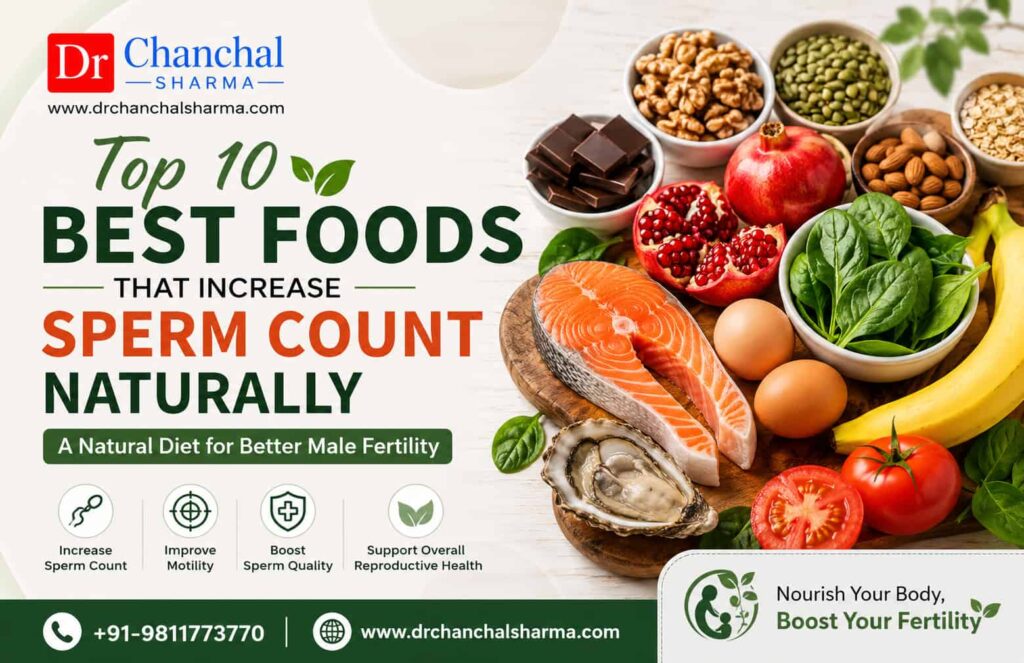
The best foods to increase sperm count naturally include walnuts, pumpkin seeds, eggs, salmon, spinach, bananas, pomegranate, tomatoes, oysters, and dark chocolate. These foods are rich in zinc, selenium, omega-3 fatty acids, antioxidants, folate, and essential vitamins that help support sperm count, sperm motility, sperm morphology, and overall male reproductive health when combined with a healthy lifestyle.
Consult Dr. Chanchal Sharma
Get personalised Ayurvedic treatment for PCOS, Low AMH, Infertility, Male Infertility, Blocked Fallopian Tubes, Endometriosis, Fibroids, Hormonal Imbalance and other fertility-related concerns from Dr. Chanchal Sharma.
👩⚕️ Connect with Dr. Chanchal Sharma
⭐⭐⭐⭐⭐ Trusted Ayurvedic Fertility Specialist in Delhi
Why Diet Matters for Sperm Health
Healthy sperm production depends on more than genetics. Everyday nutrition provides the building blocks required for producing healthy sperm cells. A balanced diet rich in vitamins, minerals, healthy fats, and antioxidants may help improve sperm count, sperm motility, sperm morphology, and semen quality.
Oxidative stress is one of the major factors that can damage sperm cells. Antioxidant-rich foods help protect sperm from free radical damage, while nutrients like zinc, selenium, vitamin C, vitamin D, vitamin E, folate, and omega-3 fatty acids support normal reproductive function.
In addition, maintaining healthy testosterone levels through proper nutrition may contribute to better male fertility. However, diet is only one part of fertility care. Regular exercise, quality sleep, stress management, and avoiding smoking or excessive alcohol are equally important.
Key Takeaway: Healthy eating supports sperm production and reproductive health, but meaningful improvements generally require consistency because sperm development takes around 74 days.
Top 10 Best Foods That Increase Sperm Count Naturally
1. Walnuts for Sperm Count
Walnuts are considered one of the best foods to increase sperm count naturally because they are packed with omega-3 fatty acids, antioxidants, and vitamin E. These nutrients help protect sperm cells from oxidative stress and support healthier sperm membranes.
Some studies suggest that including walnuts as part of a balanced diet may contribute to improved sperm motility, better sperm vitality, and overall semen quality. Walnuts also provide healthy fats that support cardiovascular health, which is important for reproductive function.
Why include walnuts?
- Rich in omega-3 fatty acids
- High in antioxidants
- Supports sperm motility
- May improve semen quality
2. Pumpkin Seeds for Fertility
Pumpkin seeds are among the richest natural sources of zinc, an essential mineral involved in testosterone production and healthy sperm formation. Zinc plays a vital role in maintaining sperm count and protecting reproductive cells from oxidative damage.
These tiny seeds also provide magnesium and healthy fats that support overall male reproductive health. Adding a handful of roasted pumpkin seeds to your daily diet is an easy way to increase your intake of fertility-supporting nutrients.
Benefits of pumpkin seeds:
- Excellent source of zinc
- Supports healthy testosterone levels
- Promotes sperm production
- Rich in antioxidants
3. Eggs for Sperm Health
Eggs are a highly nutritious food that supplies high-quality protein, vitamin D, vitamin B12, selenium, and choline. These nutrients help support healthy sperm development and overall reproductive wellness.
Protein is essential for producing healthy cells, while selenium acts as an antioxidant that helps protect sperm from damage. Including eggs as part of a balanced healthy sperm diet can contribute to improved sperm quality when consumed alongside fruits, vegetables, and whole grains.
Why eggs are beneficial:
- High-quality protein
- Good source of selenium
- Provides vitamin D and B12
- Supports healthy sperm development
4. Salmon for Male Fertility
Salmon is well known for its high content of omega-3 fatty acids, which help maintain healthy sperm cell membranes and support normal sperm movement. Omega-3 fats also play a role in reducing inflammation throughout the body.
Regular consumption of fatty fish such as salmon may help improve sperm motility and semen quality while providing vitamin D and high-quality protein.
If salmon is not available, other oily fish like sardines and mackerel can also provide similar nutritional benefits.
Benefits of salmon:
- Rich in omega-3 fatty acids
- Supports sperm motility
- Helps maintain healthy sperm membranes
- Good source of vitamin D
5. Spinach for Sperm Production
Spinach is one of the most nutrient-dense vegetables for male fertility. It contains folate, iron, vitamin C, and antioxidants that help protect sperm DNA from oxidative stress.
Folate is particularly important because it supports healthy cell division and DNA synthesis, both of which are essential during sperm production. Spinach also contributes to overall reproductive health by supplying nutrients that support energy metabolism and immune function.
Adding spinach to salads, soups, smoothies, or cooked meals is a simple way to increase daily intake of fertility-friendly nutrients.
Why choose spinach?
- Rich in folate
- High in antioxidants
- Supports healthy sperm production
- Helps protect sperm DNA
Key Takeaways
- Nutrition plays an important role in supporting male fertility and overall reproductive health.
- Walnuts, pumpkin seeds, eggs, salmon, and spinach provide nutrients linked to healthy sperm production.
- Zinc, omega-3 fatty acids, folate, selenium, and antioxidants are among the most important nutrients for foods to improve sperm count.
- Consistency matters—healthy dietary habits should be maintained for several weeks because sperm production is a continuous process.
6. Bananas for Fertility
Bananas are a nutritious fruit that can be included in a healthy sperm diet. They contain vitamin B6, vitamin C, potassium, and natural carbohydrates that support energy metabolism and overall reproductive health. Vitamin B6 plays a role in hormone regulation, while vitamin C acts as an antioxidant that helps protect sperm cells from oxidative stress.
Although bananas alone cannot increase fertility, eating them as part of a balanced diet rich in fruits and vegetables may contribute to better sperm health and overall wellness.
Benefits of bananas:
- Rich in vitamin B6 and vitamin C
- Supports overall male reproductive health
- Provides antioxidant protection
- Easy to include in a daily diet
7. Pomegranate for Sperm Quality
Pomegranate is widely recognized for its high antioxidant content. Antioxidants help reduce oxidative stress, one of the factors that may affect sperm quality. Including pomegranate or fresh pomegranate seeds in your diet can be a healthy choice for men trying to improve their reproductive health.
Pomegranate also contains polyphenols and vitamin C, which help protect cells from free radical damage and support overall health.
Benefits of pomegranate:
- Rich in antioxidants
- Supports sperm quality
- Helps reduce oxidative stress
- Promotes overall reproductive wellness
8. Tomatoes for Male Fertility
Tomatoes are one of the best dietary sources of lycopene, a powerful antioxidant associated with male reproductive health. Lycopene helps protect sperm cells from oxidative damage and supports healthy sperm morphology and concentration.
Cooked tomatoes, tomato soup, or tomato-based sauces generally provide lycopene in a form that is easier for the body to absorb.
Benefits of tomatoes:
- Excellent source of lycopene
- Supports healthy sperm morphology
- Helps protect sperm cells
- Rich in antioxidants
9. Oysters for Sperm Count
Oysters are naturally rich in zinc, one of the most important minerals for male fertility. Zinc supports normal testosterone production and plays a key role in sperm development. Men with inadequate zinc intake may have poorer semen quality, making zinc-rich foods an important part of a balanced fertility diet.
If oysters are not part of your diet, pumpkin seeds, beans, lentils, and other zinc-rich foods can also help meet daily nutritional needs.
Benefits of oysters:
- High in zinc
- Supports healthy sperm production
- Contributes to normal testosterone function
- Helps maintain reproductive health
10. Dark Chocolate for Fertility
Dark chocolate (with a high cocoa content) contains flavonoids and small amounts of L-arginine, nutrients that support healthy blood circulation and provide antioxidant benefits. Choosing dark chocolate in moderation may be a better option than highly processed sweets because it contains less sugar and more beneficial plant compounds.
Remember that moderation is important, as excessive sugar intake may negatively affect overall health.
Benefits of dark chocolate:
- Rich in antioxidants
- Contains beneficial flavonoids
- Supports healthy circulation
- Can be enjoyed as part of a balanced diet
Top Nutrients That Support Healthy Sperm
Good nutrition is about more than individual foods. The following nutrients work together to support sperm count, sperm motility, and semen quality.
| Nutrient | Best Food Sources | Potential Benefit |
| Zinc | Pumpkin Seeds, Oysters | Supports sperm production |
| Selenium | Eggs, Brazil Nuts | Supports sperm motility |
| Omega-3 Fatty Acids | Salmon, Walnuts | Supports healthy sperm membranes |
| Vitamin C | Citrus Fruits, Berries | Antioxidant protection |
| Vitamin D | Eggs, Fatty Fish | Supports reproductive health |
| Vitamin E | Almonds, Seeds | Protects sperm cells |
| Folate | Spinach, Leafy Greens | Supports DNA synthesis |
| Lycopene | Tomatoes | Supports sperm morphology |
Key Takeaway: A balanced diet containing a variety of nutrient-rich foods is more beneficial than relying on a single “superfood.”
Foods to Avoid for Better Sperm Health
Along with eating foods that improve sperm count, limiting certain foods and lifestyle habits may support better reproductive health.
Try to reduce:
- Sugary drinks and excessive sugar intake
- Ultra-processed foods
- Trans fats
- Excessive alcohol consumption
- Smoking and tobacco use
- Processed meats
- Frequent fast food
Choosing fresh fruits, vegetables, whole grains, lean proteins, nuts, and seeds supports both general health and male fertility.
Lifestyle Tips to Improve Sperm Count Naturally
Nutrition works best when combined with healthy daily habits.
- Exercise regularly and maintain a healthy body weight.
- Sleep for 7–9 hours each night.
- Drink enough water throughout the day.
- Manage stress through yoga, meditation, or relaxation techniques.
- Avoid prolonged exposure to excessive heat, such as hot tubs or saunas.
- Limit alcohol and stop smoking.
- Follow a balanced fertility diet for men consistently.
Small lifestyle improvements made over time can positively influence reproductive health.
Frequently Asked Questions
Q1. What foods increase sperm count naturally?
Foods rich in zinc, antioxidants, omega-3 fatty acids, vitamins, and folate—such as walnuts, pumpkin seeds, eggs, salmon, spinach, tomatoes, and pomegranate—can support healthy sperm production as part of a balanced diet.
Q2. Which fruit is best for sperm count?
Fruits like pomegranate, citrus fruits, bananas, berries, and oranges provide antioxidants and vitamins that support overall sperm health.
Q3. Can diet improve sperm quality?
A nutrient-rich diet may help improve sperm quality by supporting normal sperm production and reducing oxidative stress. Diet is one part of overall fertility care and should be combined with healthy lifestyle habits.
Q4. How long does it take to improve sperm count with food?
Sperm development takes approximately 74 days, so consistent healthy eating and lifestyle changes generally require several weeks before noticeable improvements may occur.
Q5. Which dry fruits are best for male fertility?
Walnuts, almonds, and Brazil nuts are nutrient-rich choices because they provide healthy fats, vitamin E, selenium, and antioxidants.
Q6. Can eggs improve sperm health?
Eggs provide protein, selenium, vitamin D, and vitamin B12, making them a nutritious food that supports overall reproductive health.
Q7. Which foods increase sperm very fast?
No single food can increase sperm count very fast because sperm production naturally takes about 74 days. However, eating nutrient-rich foods consistently can support healthy sperm production and improve sperm quality over time.
Some of the best foods include:
- Walnuts (rich in omega-3 fatty acids)
- Pumpkin seeds (high in zinc)
- Eggs (protein and selenium)
- Salmon (omega-3 and vitamin D)
- Spinach (folate and antioxidants)
- Tomatoes (lycopene)
- Pomegranate (antioxidants)
- Oysters (zinc)
For the best results, combine a healthy diet with regular exercise, adequate sleep, stress management, and avoiding smoking and excessive alcohol.
Q8. What should I eat daily to increase sperm count?
Eating a balanced diet every day can support healthy sperm production. Include foods rich in zinc, selenium, omega-3 fatty acids, antioxidants, folate, and vitamins, such as:
- Walnuts
- Pumpkin seeds
- Eggs
- Salmon
- Spinach
- Tomatoes
- Pomegranate
- Bananas
- Oysters
- Dark chocolate (in moderation)
Since sperm take about 74 days to develop, consistent healthy eating over several weeks is more effective than expecting quick results.
Q9. Which drink is good for sperm?
The uploaded article does not specifically mention drinks for sperm health.
To stay consistent with the article, you can answer:
Drinks that support overall hydration and provide antioxidants may benefit sperm health as part of a balanced diet. Good choices include:
- Water (supports overall body functions)
- Fresh pomegranate juice
- Fresh citrus juice (rich in vitamin C)
- Milk (provides protein and vitamin D)
- Smoothies made with spinach and fruits
Avoid excessive sugary drinks and alcohol, as they may negatively affect overall health and reproductive wellness.
Q10. Can boiled eggs boost sperm?
Yes, boiled eggs can support healthy sperm production, but they are not a quick or guaranteed way to boost sperm count. Eggs provide high-quality protein, selenium, vitamin D, vitamin B12, and choline, which help support healthy sperm development and overall reproductive health.
Eating boiled eggs as part of a balanced diet that includes fruits, vegetables, nuts, seeds, whole grains, and healthy fats is more beneficial than relying on a single food. Consistency over several weeks is important because sperm production is an ongoing process.
Conclusion
Following a balanced diet rich in natural foods for male fertility can support healthy sperm production, sperm motility, and semen quality. Foods such as walnuts, pumpkin seeds, eggs, salmon, spinach, bananas, pomegranate, tomatoes, oysters, and dark chocolate provide important nutrients that contribute to overall reproductive wellness.
At Dr. Chanchal Sharma, we believe that nutrition, healthy lifestyle choices, and timely medical evaluation are essential parts of male fertility care. If you have been trying to conceive for an extended period or have concerns about your fertility, consult a qualified healthcare professional for a proper assessment and personalized treatment plan.
Helpful Guides for Better Sperm Health
स्पर्म काउंट बढ़ाने के लिए क्या खाएं?
Ayurveda for Sperm Health: Increase Quality of Sperm Naturally
What are signs of low sperm count?
निल स्पर्म (Azoospermia ) के कारण और आयुर्वेदिक उपचार
How to Increase Sperm Count & Improve Male Fertility Naturally