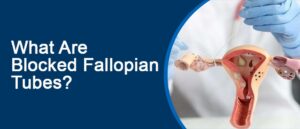


Blocked fallopian tubes occur when one or both fallopian tubes become partially or completely blocked, preventing the egg and sperm from meeting. This condition is one of the most common causes of tubal factor infertility and can make it difficult to conceive naturally. While some women experience symptoms such as pelvic pain or discomfort, many have no noticeable signs until they face difficulty getting pregnant. Diagnosis usually involves tests like an HSG (Hysterosalpingography) or laparoscopy, and treatment depends on the underlying cause, severity of the blockage, and reproductive goals. Options may include medication for infections, minimally invasive procedures, surgery, or IVF (In Vitro Fertilization) when appropriate.
Key Takeaway: Having a blocked fallopian tube does not always mean pregnancy is impossible. Many women conceive naturally with one healthy tube, while others achieve successful pregnancies with personalized fertility treatment.
What Are Blocked Fallopian Tubes?
The fallopian tubes are two narrow tubes that connect the ovaries to the uterus. During ovulation, a mature egg is released from the ovary and travels through the fallopian tube, where it may meet sperm for fertilization. The fertilized egg then moves to the uterus for implantation and pregnancy.
When a fallopian tube blockage occurs, this natural pathway is disrupted. Depending on whether the blockage affects one blocked fallopian tube or both fallopian tubes, the chances of natural conception may vary. Complete blockage of both tubes often prevents the egg and sperm from meeting, while a partial blockage may increase the risk of an ectopic pregnancy.
Why Are Healthy Fallopian Tubes Important?
- Help the egg travel from the ovary to the uterus.
- Provide the site where fertilization usually occurs.
- Support the movement of the fertilized embryo toward the uterus.
- Play an essential role in natural conception and a healthy pregnancy.
Because of their vital function, damage or blockage of the tubes can contribute to female infertility and may require evaluation by a fertility specialist.
Symptoms & Causes of Blocked Fallopian Tubes
Many women with Treatment for blocked fallopian tubes have no obvious symptoms, which is why the condition is often discovered during an infertility evaluation. However, some women may experience symptoms depending on the cause and location of the blockage.
Common Symptoms
Watch for the following signs:
- Difficulty getting pregnant despite regular, unprotected intercourse.
- Persistent or recurring pelvic pain.
- Lower abdominal pain, especially on one side.
- Pain during menstruation.
- Pain during sexual intercourse.
- Chronic pelvic discomfort caused by conditions such as endometriosis or hydrosalpinx.
- A history of ectopic pregnancy or recurrent pelvic infections.
Trust Point: The absence of symptoms does not rule out tubal blockage. If you have been trying to conceive for a year (or six months if you are 35 or older), a fertility assessment is recommended.
Common Causes of Blocked Fallopian Tubes
Several medical conditions can lead to fallopian tube blockage, including:
- Pelvic Inflammatory Disease (PID): A bacterial infection that may cause inflammation and scarring of the tubes.
- Endometriosis: Tissue similar to the uterine lining grows outside the uterus, leading to adhesions and tubal damage.
- Hydrosalpinx: A fluid-filled, swollen fallopian tube that can reduce fertility and affect pregnancy outcomes.
- Tuberculosis (Genital TB): In some cases, genital tuberculosis may damage the reproductive organs and contribute to infertility.
- Sexually Transmitted Infections (STIs): Untreated infections such as chlamydia or gonorrhea can result in scarring and blockage.
- Previous Pelvic or Abdominal Surgery: Surgical procedures may sometimes lead to adhesions around the fallopian tubes.
Understanding the underlying cause of the blockage is essential because it helps determine the most appropriate treatment approach and improves the chances of achieving a successful pregnancy.
Diagnosis & Treatment of Blocked Fallopian Tubes
If your doctor suspects blocked fallopian tubes, they may recommend a combination of imaging tests and fertility evaluations to identify the location and severity of the blockage. An accurate diagnosis is essential for choosing the most effective female infertility treatment.
How Are Blocked Fallopian Tubes Diagnosed?
The following tests are commonly used:
- HSG (Hysterosalpingography): A special X-ray using contrast dye to check whether the fallopian tubes are open. It is often the first test recommended for evaluating tubal factor infertility.
- Ultrasound: Helps identify conditions such as hydrosalpinx, ovarian cysts, or other reproductive abnormalities.
- Laparoscopy: A minimally invasive surgical procedure that allows the doctor to directly examine the uterus, ovaries, and fallopian tubes. It can also help diagnose endometriosis, scar tissue, and pelvic adhesions.
Treatment Options for Blocked Fallopian Tubes
The best treatment depends on the cause, location, and extent of the blockage, as well as your age and pregnancy goals.
| Condition | Possible Treatment |
| One blocked fallopian tube | Monitoring, fertility guidance, or treatment based on individual fertility goals |
| Both fallopian tubes blocked | Tubal surgery or IVF (In Vitro Fertilization) depending on the condition |
| Hydrosalpinx | Treatment before IVF may improve pregnancy outcomes |
| Infection-related blockage | Antibiotics and appropriate medical management |
Additional treatment options may include:
- Tubal Cannulation: A minimally invasive procedure that may help open certain types of proximal tubal blockages.
- Laparoscopic Surgery: Used to remove scar tissue, treat adhesions, or manage endometriosis in selected cases.
- IVF for Blocked Fallopian Tubes: IVF bypasses the fallopian tubes by fertilizing the egg outside the body, making it a suitable option for many women with severe bilateral tubal blockage or when surgery is unlikely to be beneficial.
Trust Point: Treatment should always be personalized. A fertility specialist will recommend the most appropriate option based on your medical history, fertility evaluation, and reproductive goals rather than using a one-size-fits-all approach.
Can You Get Pregnant with Blocked Fallopian Tubes?
Yes, pregnancy is still possible, but the chances depend on whether one or both tubes are blocked and the underlying cause.
One Blocked Fallopian Tube
If you have one blocked fallopian tube and the other tube is healthy, natural pregnancy may still be possible because ovulation and fertilization can occur through the open tube.
Both Fallopian Tubes Blocked
When both fallopian tubes are blocked, natural conception is usually difficult because the egg and sperm cannot meet. In these situations, IVF is often considered since it bypasses the blocked tubes.
Partial Blockage
A partial blockage may still allow fertilization in some cases, but it can increase the risk of an ectopic pregnancy, where the fertilized egg implants outside the uterus. Prompt medical evaluation is important if pregnancy occurs.
When Should You See a Fertility Specialist?
You should consider consulting a fertility specialist if you:
- Have been trying to conceive for 12 months without success (or 6 months if you are 35 years or older).
- Have a history of pelvic inflammatory disease (PID), endometriosis, or genital tuberculosis.
- Have experienced an ectopic pregnancy.
- Have undergone previous pelvic or abdominal surgery.
- Have irregular fertility test results or persistent pelvic pain.
Early evaluation can help identify the cause of infertility and improve treatment planning.
Why Choose Dr. Chanchal Sharma?
At Dr. Chanchal Sharma, every patient receives a personalized fertility assessment and evidence-informed treatment plan designed around their individual reproductive health needs.
Why Patients Trust Dr. Chanchal Sharma
- Personalized evaluation for female infertility.
- Comprehensive assessment of tubal factor infertility.
- Individualized treatment planning based on your medical condition.
- Holistic approach to reproductive health and fertility care.
- Patient-focused guidance and compassionate support throughout the treatment journey.
Frequently Asked Questions
1. Can I get pregnant with one blocked fallopian tube?
Yes. If the other fallopian tube is healthy and ovulation occurs normally, natural pregnancy may still be possible.
2. Is an HSG test painful?
Most women experience mild to moderate cramping during an HSG test, but the discomfort is usually temporary and resolves shortly after the procedure.
3. Is IVF necessary for blocked fallopian tubes?
Not always. Some women may benefit from surgery or other treatments, while IVF may be recommended for severe or bilateral tubal blockage. The right option depends on the individual case.
4. What is the most common cause of blocked fallopian tubes?
Common causes include pelvic inflammatory disease (PID), endometriosis, hydrosalpinx, sexually transmitted infections, previous pelvic surgery, and, in some regions, genital tuberculosis.
Book Your Fertility Consultation
If you have been diagnosed with blocked fallopian tubes or are experiencing difficulty conceiving, an early fertility evaluation can help identify the cause and guide the most appropriate treatment plan.
Dr. Chanchal Sharma offers personalized consultations for women experiencing fallopian tube blockage, tubal factor infertility, and other reproductive health concerns. With a patient-centered approach and individualized treatment planning, you can better understand your fertility options and take the next step toward achieving your pregnancy goals.
Book your consultation today to receive a comprehensive fertility assessment and personalized guidance.