
Home › Ayurveda Treatments › Male Infertility
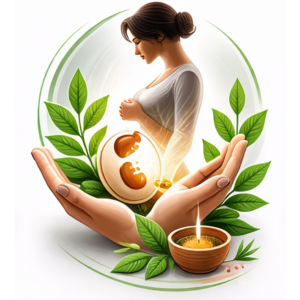
Personalised Ayurvedic support for male infertility, with a focus on sperm count, motility, reproductive health, lifestyle guidance and individual fertility needs.
✦ Individual Fertility Assessment ✦ Personalised Ayurvedic Care
✦ Sperm Health Support ✦ Diet & Lifestyle Guidance
Get an Appointment
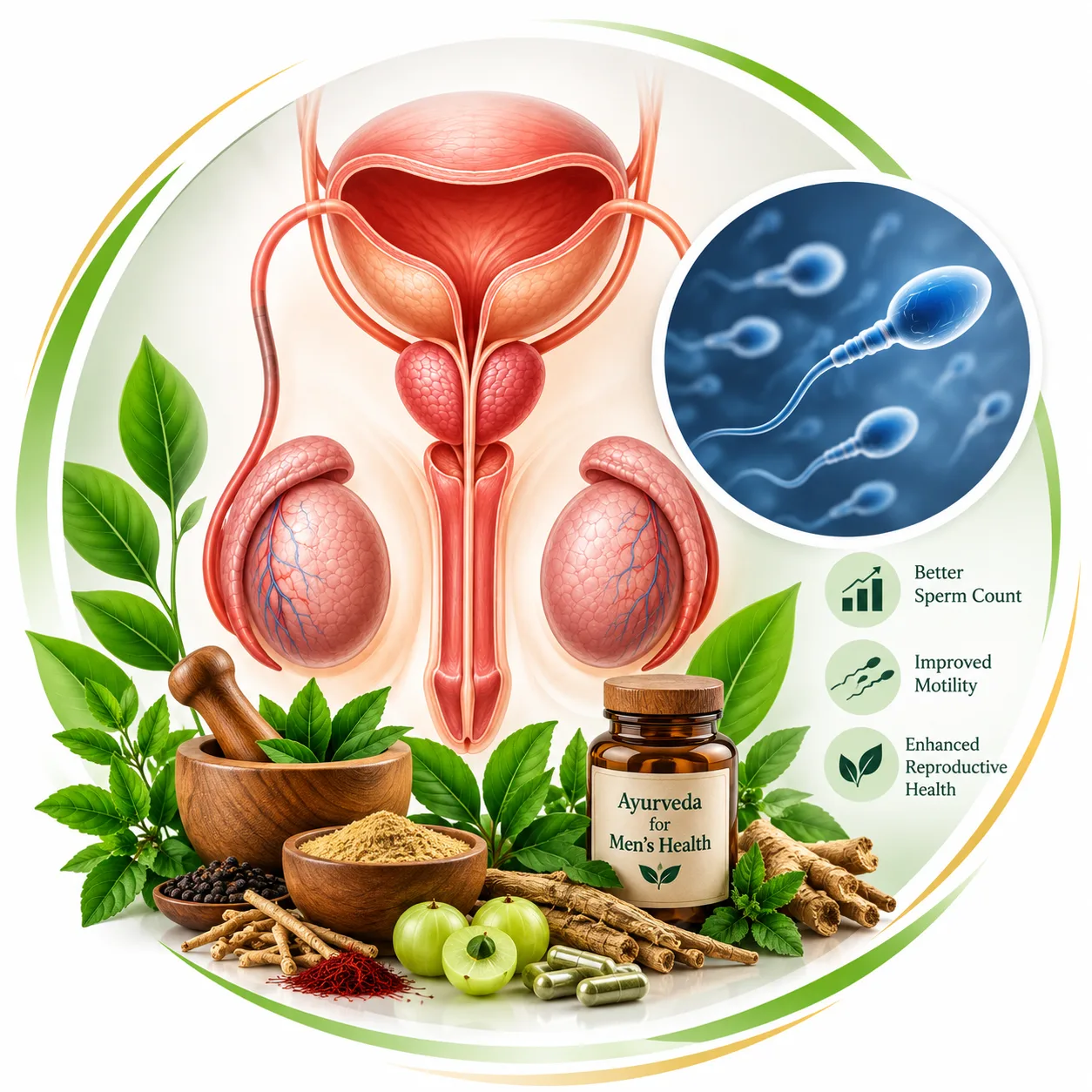
Male fertility depends on sperm production, movement, reproductive hormones, testicular health and overall wellbeing. Fertility difficulties may have different causes and can involve either partner.
Ayurvedic male infertility treatment focuses on individual health, fertility history, lifestyle and medical reports. Personalised care may include Ayurvedic medicines, diet and lifestyle guidance, and selected therapies where appropriate.
The treatment approach is planned according to each individual’s fertility concerns and needs.
Male infertility refers to difficulty achieving pregnancy due to factors affecting the male partner. Infertility is generally defined as failure to achieve pregnancy after 12 months or more of regular unprotected sexual intercourse.
Male-factor concerns may involve low sperm concentration, reduced sperm motility, abnormal sperm morphology, problems with sperm production or delivery, hormonal factors, testicular conditions or sexual and reproductive health issues.
A semen report can provide important information, but one result should not always be interpreted in isolation. The overall assessment may also consider medical history, physical examination and the couple’s fertility history. Current WHO guidance recommends structured evaluation of male factors and standardised semen analysis when assessing infertility.
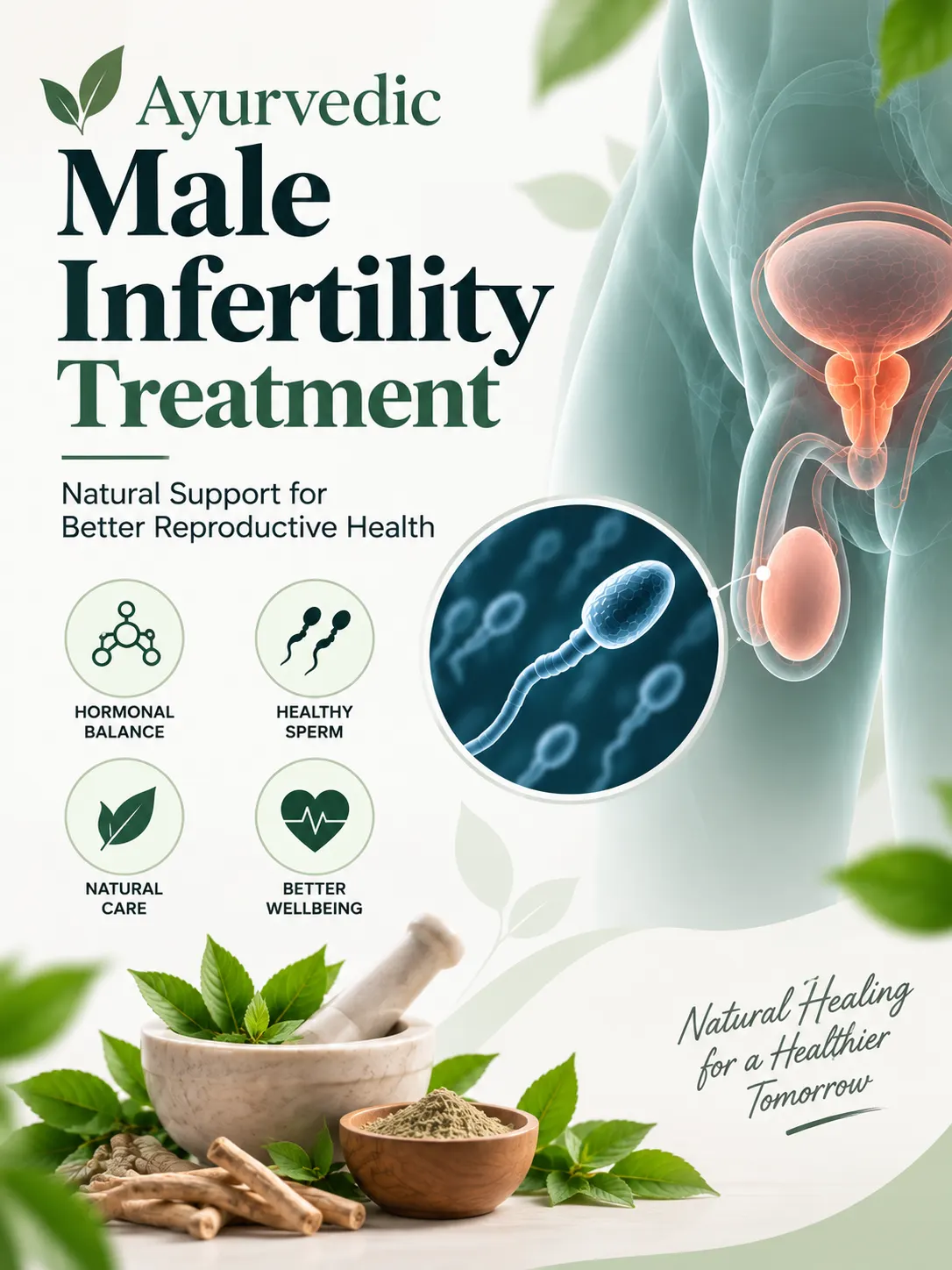
Male fertility can be affected by several factors. Common concerns include:
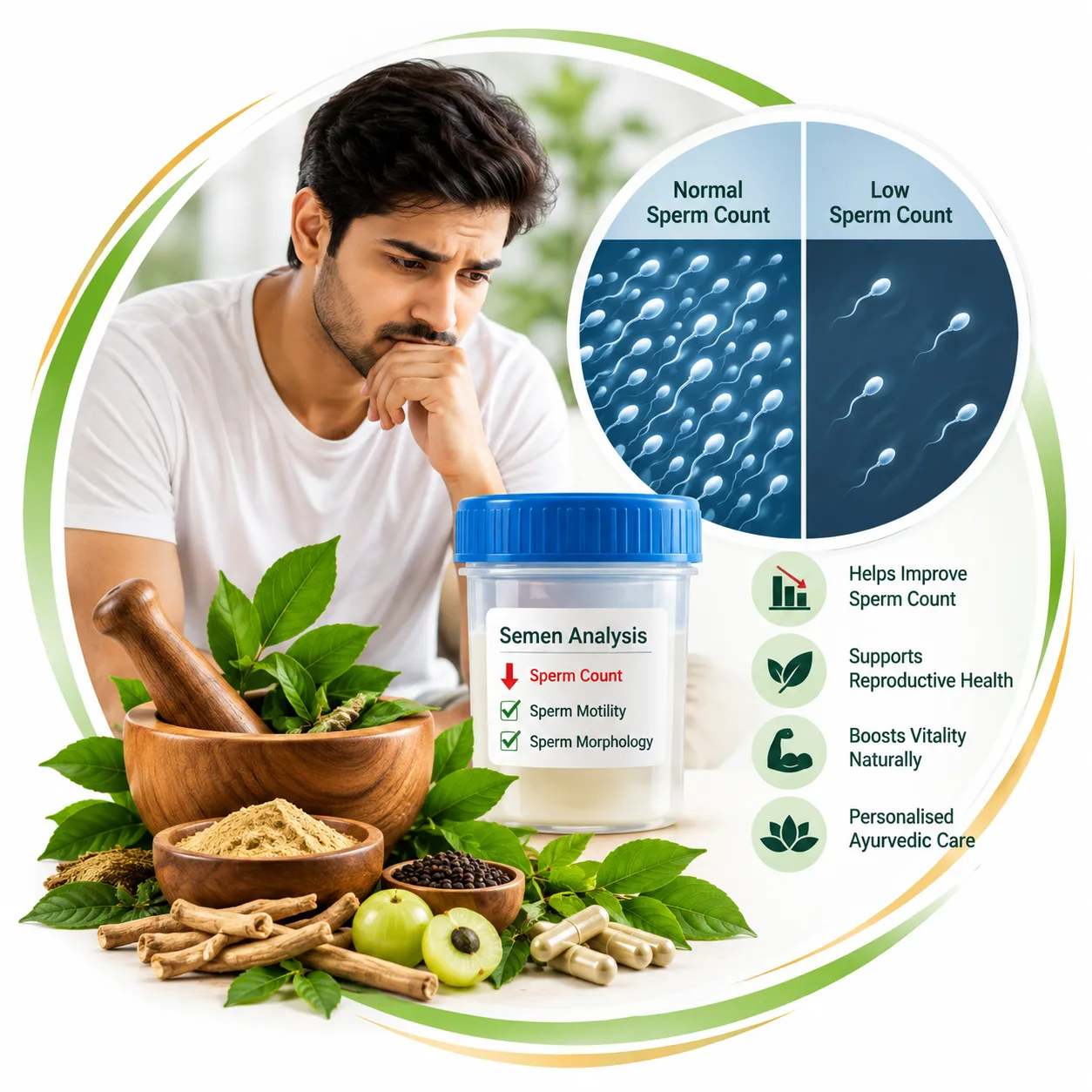
A lower-than-expected sperm concentration may reduce the chance of sperm reaching and fertilising an egg. This is commonly described as oligospermia.
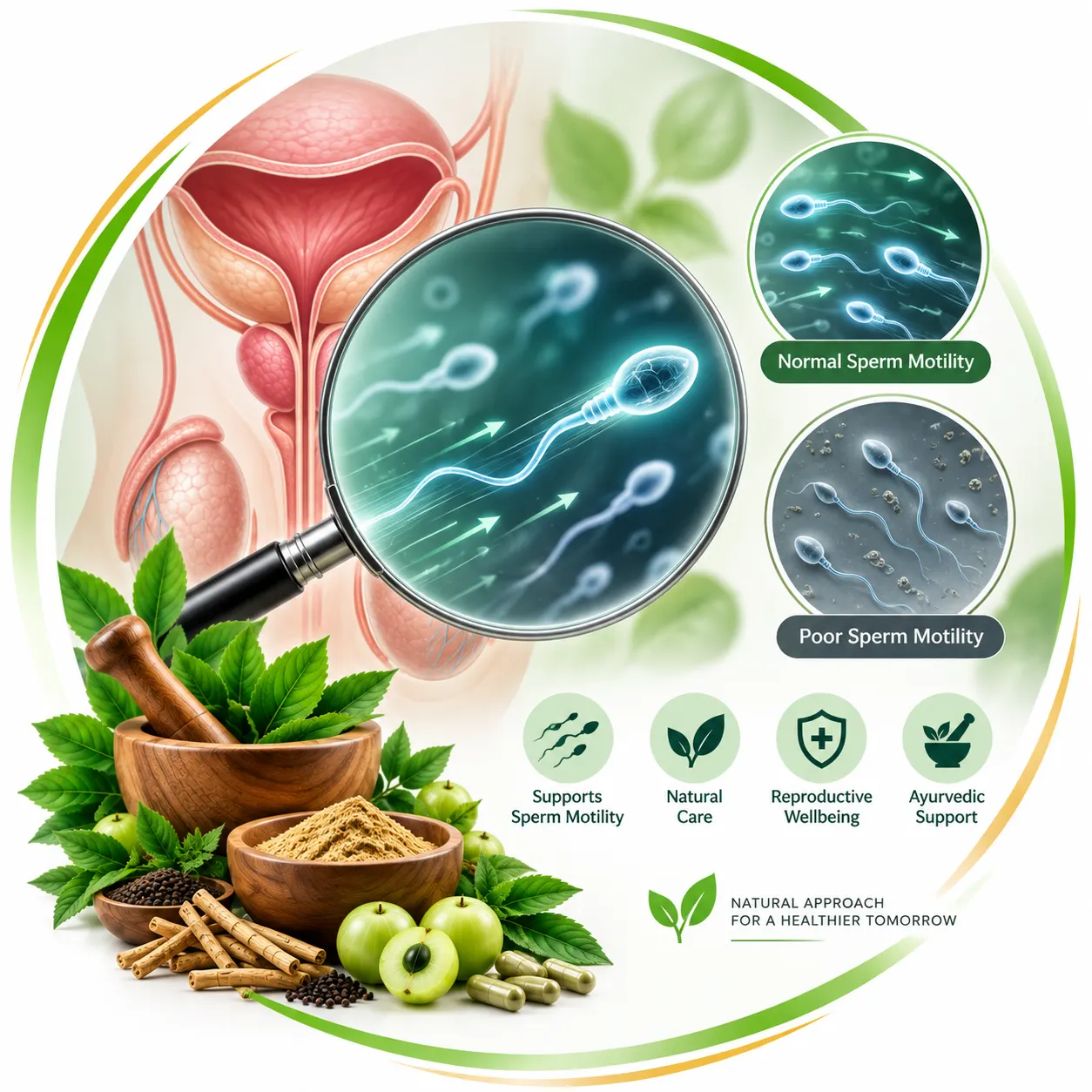
Sperm need appropriate movement to travel through the female reproductive tract. Reduced movement is known as asthenozoospermia and can be an important finding in semen analysis.
If your main concern is sperm movement, you can also read about sperm motility and Ayurvedic fertility care.
Sperm shape and structure are also evaluated during semen analysis. Abnormal morphology does not automatically mean pregnancy is impossible, but it may form part of the overall fertility assessment.
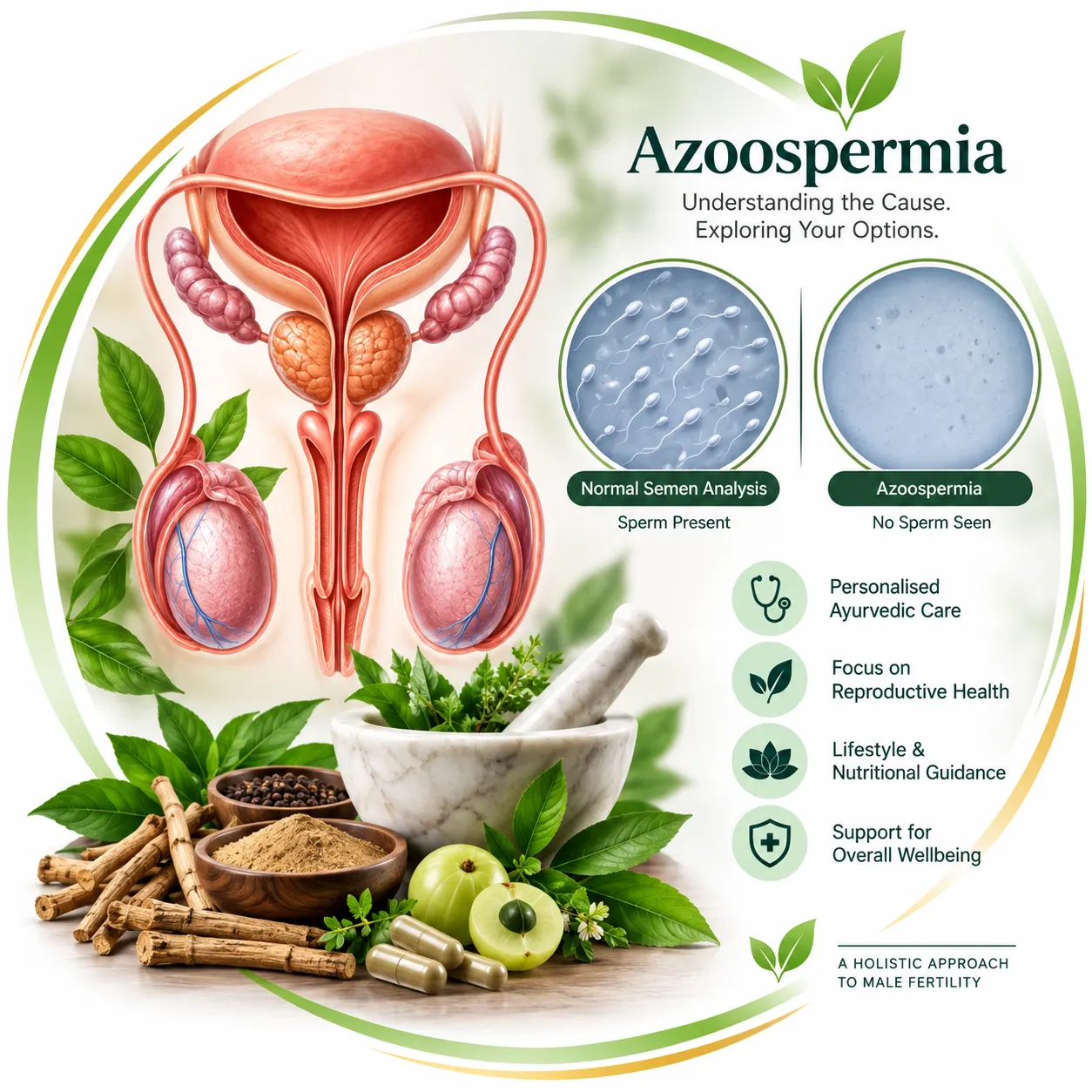
Varicocele, previous testicular injury, infections, obstruction and some other reproductive conditions may affect sperm production or transport.
Hormones involved in reproductive function can influence sperm production and sexual health. Hormonal assessment may therefore be considered when clinically indicated.
Smoking, excessive alcohol use, recreational drugs, anabolic steroid use, obesity, poor diet, inadequate sleep, prolonged heat exposure and some occupational or environmental exposures may affect reproductive health.
Stress may also influence sexual function, sleep and overall wellbeing. It should be considered as one part of a broader fertility picture rather than assumed to be the sole cause.
Male infertility may not produce obvious symptoms. Many men discover a fertility concern only when pregnancy does not occur.
Depending on the underlying cause, some men may experience:
A fertility evaluation is particularly important if there is a history of testicular problems, reproductive surgery, cancer treatment, sexually transmitted infection, significant hormonal symptoms or a known fertility issue.
A proper assessment is an important part of male infertility treatment in Ayurveda as well as modern fertility care.
Your evaluation may include:
Semen analysis is a key investigation for male fertility. WHO’s current guidance recommends repeating semen analysis after at least 11 weeks when one or more semen parameters are outside the reference ranges, while repeat testing is generally not suggested when all parameters are within the reference ranges.
Both partners may need evaluation because pregnancy depends on the reproductive health of both individuals.
Ayurveda describes male reproductive health through concepts including Shukra Dhatu and Vajikarana, a specialised area of Ayurvedic medicine concerned with reproductive and sexual health.
Traditional Ayurvedic assessment may consider factors such as digestion, lifestyle, sleep, stress, reproductive history and individual constitution along with the presenting fertility concern.
Depending on the assessment, an Ayurvedic fertility plan may include:
The objective is not simply to treat a semen number but to understand the factors that may be contributing to the individual’s fertility concern.
Ayurvedic texts and clinical literature discuss a number of herbs and formulations in the context of Vajikarana and Shukra-related concerns.
Depending on the individual case, an Ayurvedic practitioner may consider herbs such as:
These should not be treated as a universal list of “best medicines.” The appropriate formulation, dose, duration and combination depend on the person’s health, diagnosis, medications and treatment goals.
For example, published Ayurvedic literature includes case-based work involving Ashwagandha and Gokshura in men with oligoasthenospermia. However, such evidence should be interpreted in context and does not establish that the same result will occur in every patient.
If you are specifically concerned about sperm concentration, you can also explore our page on Ayurvedic support for sperm count.
Male infertility can involve different concerns, so understanding the specific fertility issue can help guide the next step. If you are dealing with low sperm count, poor sperm motility, or preparing for IVF, explore the relevant fertility care pages for more focused information.
You can also read about Ayurvedic male fertility care for sperm motility, Ayurvedic support for sperm count and Ayurvedic IVF preparation for men.
Explore personalised Ayurvedic care with Dr. Chanchal Sharma.
Book a consultation to discuss your concerns and understand your options.
Ayurvedic care may be used as part of personalised management for certain male fertility concerns. The appropriate approach depends on the underlying cause, and necessary fertility evaluation should not be delayed.
There is no single Ayurvedic medicine that is best for every man. Medicines such as Ashwagandha, Gokshura, Kapikacchu or other formulations may be considered depending on the individual’s assessment.
Some Ayurvedic studies and case reports have reported changes in semen parameters, including sperm count and motility. However, evidence varies by intervention and study quality, so individual results cannot be guaranteed.
Not necessarily. A low sperm count can be one factor associated with male infertility, but fertility depends on multiple factors, including motility, morphology, reproductive health and the fertility of both partners.
Healthy nutrition, regular activity, adequate sleep, avoiding smoking and recreational drugs, limiting excessive alcohol and maintaining a healthy weight can support overall reproductive health.
Yes. Fertility difficulties can involve the male partner, female partner or both. Evaluating both partners can help identify the factors that may be affecting conception.
Male infertility is not a single condition. Low sperm count, poor motility, hormonal factors, testicular conditions, lifestyle factors and other reproductive concerns may require different approaches.
A detailed assessment can help you understand your semen reports, identify possible contributing factors and plan appropriate fertility care.
Explore personalised Ayurvedic male infertility treatment based on your fertility history, health concerns and available medical reports.
Medical Disclaimer: This page is for general educational information and does not replace individual medical diagnosis or treatment. Ayurvedic medicines and therapies should be used under appropriate professional guidance. Depending on the underlying cause, evaluation or treatment from a qualified urologist, andrologist, fertility specialist or other medical professional may also be appropriate.