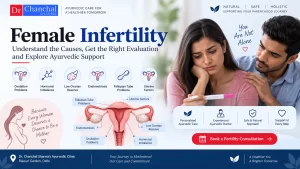

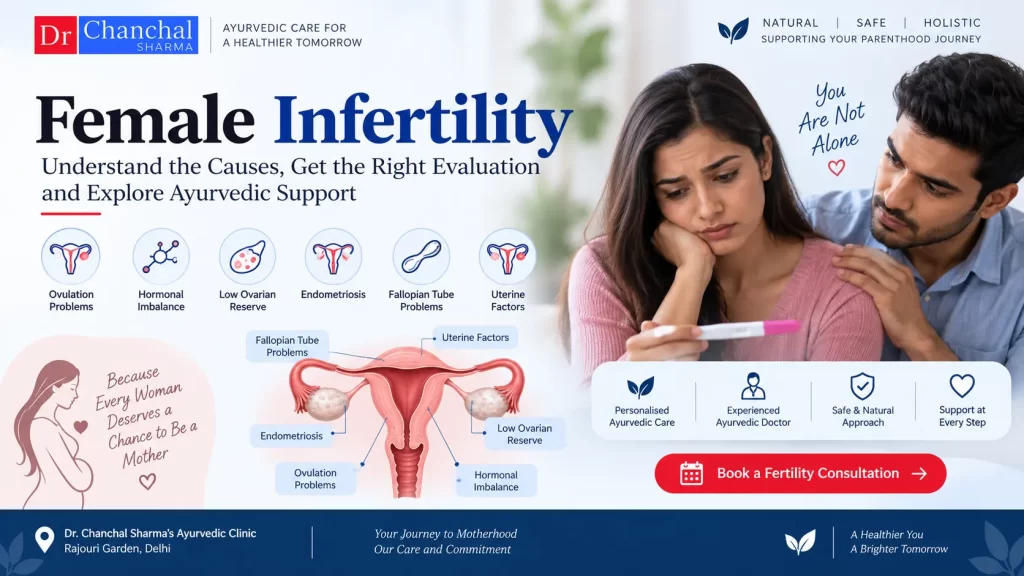
When pregnancy does not happen despite regular attempts, understanding the underlying fertility concerns is an important first step. Female infertility can be associated with several factors, including ovulation problems, hormonal changes, reduced ovarian reserve, endometriosis, tubal conditions and changes affecting the uterine environment.
At Dr. Chanchal Sharma’s Ayurvedic fertility clinic in Delhi, treatment is planned according to the individual’s health history, menstrual pattern, fertility concerns and available diagnostic information. The aim is to understand the factors that may be affecting fertility and provide personalised Ayurvedic care rather than following the same approach for every patient.
If you are looking for Ayurvedic female infertility treatment in Delhi, a detailed consultation can help determine which aspects of your reproductive health need attention.
What Is Female Infertility?
Female infertility refers to difficulty becoming pregnant after regular attempts to conceive. It can arise from problems involving ovulation, ovarian function, fallopian tubes, the uterus, endometriosis, hormonal regulation or other reproductive factors.
Fertility is not determined by one factor alone. Age, menstrual health, ovarian reserve, reproductive anatomy, previous medical history and the fertility health of the male partner may all be relevant when a couple is trying to conceive.
For this reason, fertility care should begin with an appropriate assessment rather than assuming a single cause.
What Can Cause Female Infertility?
Female fertility can be influenced by different conditions and reproductive factors. Some commonly evaluated concerns include:
Ovulation Problems
Irregular or absent ovulation can make conception more difficult. Conditions such as PCOS may affect the regularity of ovulation and menstrual cycles.
Reduced Ovarian Reserve or Low AMH
AMH is one of the markers used to assess ovarian reserve. A low AMH level may indicate reduced ovarian reserve and needs to be interpreted alongside age, menstrual history and other fertility assessments.
Endometriosis
Endometriosis may affect reproductive health in different ways and can sometimes be associated with difficulty conceiving.
Fallopian Tube Problems
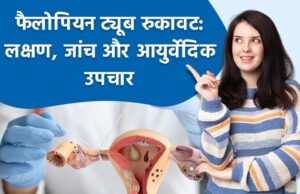
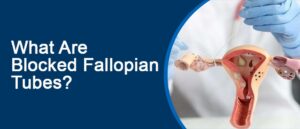
Blocked or damaged fallopian tubes can interfere with the meeting of the egg and sperm. Tubal concerns may include blockage, adhesions or conditions such as hydrosalpinx.
Uterine and Endometrial Factors
The condition of the uterus and endometrium can also be relevant to conception and implantation. Certain uterine conditions may therefore require specific evaluation.
Hormonal and Menstrual Factors
Changes in reproductive hormones or irregular menstrual cycles can sometimes affect ovulation and the reproductive process.
Other Factors
Previous pelvic infections, surgeries, certain medical conditions and age-related changes may also influence fertility.
Because several factors can exist together, identifying the individual fertility picture is more useful than focusing on a single symptom.
Signs That May Need a Fertility Evaluation
Female infertility does not always cause obvious symptoms. Some women may have regular periods and still experience difficulty conceiving.
However, a fertility evaluation may be worth considering when there is:
- Irregular, very long or absent menstrual cycles
- Difficulty identifying or tracking ovulation
- Repeated difficulty conceiving
- A history of PCOS or endometriosis
- Previous pelvic infection or reproductive surgery
- Known fallopian tube problems
- Concerns about ovarian reserve
- Recurrent pregnancy loss
- Other known reproductive health concerns
The appropriate timing for an evaluation depends on factors such as age, medical history and previous pregnancy history.
How Is Female Infertility Evaluated?
A good fertility assessment looks beyond one test.
During consultation, relevant information may include:
Medical and Fertility History
Your menstrual cycle, previous pregnancies, medical conditions, surgeries, infections, medications and previous fertility treatments may be reviewed.
Menstrual and Ovulation Pattern
Cycle length, regularity and other menstrual changes can provide useful information about reproductive health.
Fertility Investigations
Depending on the individual’s situation, existing reports such as ultrasound findings, ovarian reserve tests, hormone investigations and tubal assessments may be reviewed.
Reproductive Health of Both Partners
Infertility can involve female factors, male factors or a combination of both. Therefore, evaluation of both partners may be appropriate.
The purpose of this assessment is to understand the fertility concern clearly before deciding on an appropriate treatment approach.
Ayurvedic Female Infertility Treatment in Delhi
Ayurveda takes an individualised approach to reproductive health. Instead of treating every fertility concern in the same way, the treatment plan may consider the person’s overall health, menstrual pattern, digestion, lifestyle, reproductive history and specific fertility concerns.
At Dr. Chanchal Sharma’s clinic, Ayurvedic fertility care may involve a combination of:
- Detailed consultation and case assessment
- Review of relevant medical and fertility reports
- Individualised Ayurvedic treatment planning
- Dietary and lifestyle guidance
- Support for menstrual and reproductive health
- Appropriate Ayurvedic therapies where clinically suitable
- Follow-up assessment and adjustment of the treatment plan
The exact treatment depends on the individual’s condition and should be decided after consultation.
Ayurvedic Approach to Common Female Fertility Concerns
Female infertility can have different underlying factors. Ayurvedic treatment therefore needs to be tailored to the specific concern rather than presented as a single treatment for every patient.
PCOS and Ovulation Concerns
Women with PCOS may experience irregular cycles and ovulation difficulties. Ayurvedic care can focus on the individual’s menstrual and metabolic health while supporting a healthier routine.
Low AMH and Ovarian Reserve Concerns
Low AMH can be an important fertility consideration. Treatment should take the complete fertility profile into account rather than interpreting AMH in isolation.
Endometriosis
Endometriosis can be associated with pelvic symptoms and fertility difficulties. Individualised care may focus on the person’s symptoms, menstrual health and overall reproductive health.
Fallopian Tube Blockage
Tubal blockage is an important structural fertility concern. Appropriate diagnostic reports are essential for understanding the location and nature of a blockage.
Hydrosalpinx
Hydrosalpinx is a condition involving fluid accumulation within a blocked or damaged fallopian tube. Because it has its own diagnosis and treatment considerations, it should be assessed separately rather than treated as simply another form of infertility.
Thin Endometrium and Uterine Receptivity
The endometrium plays an important role in the reproductive process. Women with concerns about endometrial thickness or uterine receptivity may require assessment of their previous reports and treatment history.
Previous Pelvic or Reproductive Infections
A history of pelvic infection or conditions affecting the reproductive tract may be relevant when evaluating fertility. Previous medical records can help provide a clearer picture.
Lifestyle and Dietary Support During Fertility Care
Lifestyle is an important part of overall reproductive health. Depending on your individual situation, your fertility plan may include guidance regarding:
- Maintaining a balanced and varied diet
- Regular physical activity appropriate for your health
- Maintaining a healthy weight
- Adequate sleep and regular daily routines
- Avoiding smoking and limiting alcohol
- Managing ongoing stress
- Following prescribed treatments consistently
- Keeping track of menstrual cycles and relevant symptoms
Dietary advice should be personalised rather than based on a universal list of foods to avoid or consume.
What to Expect During Ayurvedic Female Infertility Treatment
Every fertility journey is different, but the process generally begins with understanding your individual situation.
Initial Consultation : Your fertility history, menstrual pattern, previous treatments and relevant health concerns are discussed.
Review of Reports: Available investigations and previous medical reports are reviewed to understand the factors that may be relevant to your fertility.
Personalised Treatment Plan: An Ayurvedic treatment approach is developed according to your individual needs and clinical situation.
Treatment and Lifestyle Guidance: The recommended Ayurvedic care, lifestyle measures and dietary guidance are followed according to the treatment plan.
Follow-Up: Your progress and response are reviewed during follow-up consultations, and the treatment plan can be adjusted when needed.
Female Infertility Treatment in Rajouri Garden, Delhi
If you are searching for an Ayurvedic female fertility clinic in Delhi, Dr. Chanchal Sharma provides fertility consultations in Rajouri Garden, Delhi.
The consultation focuses on understanding your individual fertility concerns rather than applying the same treatment approach to every patient.
Women seeking Ayurvedic care for concerns such as PCOS, low AMH, endometriosis, tubal conditions, menstrual irregularities or other fertility-related issues can discuss their medical history and existing reports during consultation.
Book a Consultation for Female Infertility Treatment
Explore Related Ayurvedic Treatments
If your fertility concerns are connected with a specific condition, explore the relevant treatment page:
- PCOS Treatment in Delhi
- Low AMH Treatment
- Endometriosis Treatment
- Fallopian Tube Blockage Treatment
- Hydrosalpinx Treatment in Delhi
- TB Infection Treatment in Delhi
- Panchakarma
- Male Infertility Treatment
This section should be implemented as visual treatment cards, not as another long text section.
Frequently Asked Questions
Is Ayurvedic treatment useful for female infertility?
Ayurvedic treatment may be considered as an individualised approach to supporting women with certain fertility concerns. The appropriate approach depends on the underlying condition, medical history, age and available investigations. It should not be presented as a guaranteed solution for infertility.
What conditions can be associated with female infertility?
Female infertility may be associated with ovulation problems, PCOS, reduced ovarian reserve, endometriosis, fallopian tube problems, uterine or endometrial factors and other reproductive or medical conditions.
Can I consult for infertility if my periods are regular?
Yes. Regular menstrual cycles do not necessarily rule out every possible fertility factor. A fertility assessment may still be appropriate when conception is not occurring as expected.
Do I need to bring my previous fertility reports?
Yes. Previous ultrasound reports, hormone tests, ovarian reserve investigations, tubal assessments and records of earlier fertility treatment can help the doctor understand your history more clearly.
Can both partners be evaluated for infertility?
Yes. Difficulty conceiving can involve female factors, male factors or both. Evaluation of both partners may therefore be relevant.
Is Ayurvedic treatment the same for every woman?
No. Fertility concerns can have different causes and combinations of factors. Ayurvedic care should therefore be personalised according to the individual’s health history and fertility assessment.
How long does female infertility treatment take?
There is no single treatment duration that applies to every woman. It depends on the underlying fertility concerns, previous treatment history and individual response. The expected follow-up schedule can be discussed during consultation.
Can Ayurvedic treatment replace fertility investigations?
No. Appropriate fertility investigations can be important for understanding the cause of difficulty conceiving. Ayurvedic treatment should be planned with awareness of relevant diagnostic findings.
Takeaway
Female infertility can have several possible contributing factors, and identifying those factors is an important part of fertility care.
Ayurvedic female infertility treatment in Delhi should therefore be approached as personalised care rather than a one-size-fits-all treatment. A detailed consultation, appropriate evaluation and consideration of your individual fertility history can help determine the most suitable approach.
If you have been trying to conceive or have a known fertility concern, discuss your situation with a qualified healthcare professional and bring relevant medical reports to your consultation.
Medical Disclaimer
The information on this page is provided for general educational purposes and should not be considered a substitute for medical diagnosis or treatment. Female infertility can have multiple causes, and treatment suitability varies from person to person. Appropriate medical evaluation and diagnostic testing may be required. Ayurvedic treatment should be undertaken under the guidance of a qualified practitioner, and treatment outcomes cannot be guaranteed.