
Home › Ayurveda Treatments › Fallopian Tube Blockage
Personalised Ayurvedic fertility care for women, with attention to menstrual health, reproductive concerns, lifestyle, medical reports and individual fertility goals.
✦ Individual Fertility Assessment ✦Personalised Ayurvedic Care
✦ Diet & Lifestyle Guidance ✦ Report-Based Follow-Up
Get an Appointment
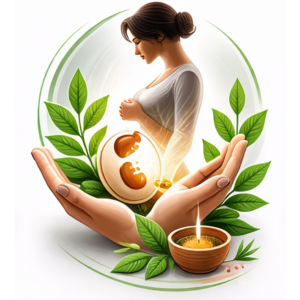
Female infertility generally refers to difficulty achieving pregnancy after regular unprotected intercourse. It can be associated with different factors involving ovulation, ovaries, fallopian tubes, uterus, hormones or other aspects of reproductive health.
Infertility is not always caused by one condition, and sometimes no single cause is identified even after evaluation. Male factors can also contribute to difficulty conceiving, which is why assessing both partners may be important.
The appropriate approach depends on factors such as age, duration of trying to conceive, menstrual history, previous pregnancies and fertility evaluation.
Several factors may influence fertility in women:
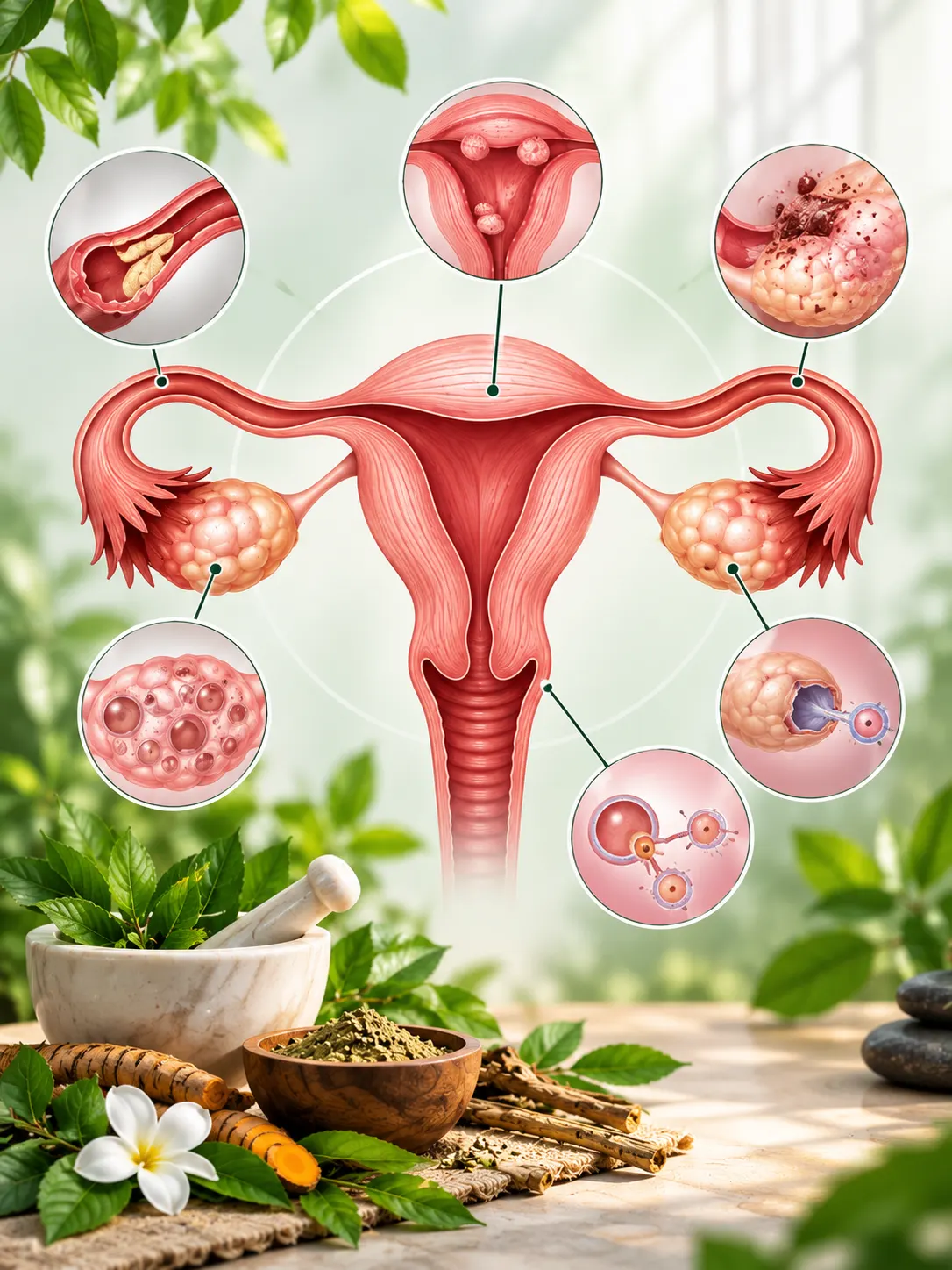
Irregular or absent ovulation can make conception more difficult.
Polycystic ovary syndrome can affect menstrual regularity and ovulation and is an important fertility-related condition.
Blocked or damaged fallopian tubes can interfere with the normal movement of the egg and sperm.
Endometriosis may be associated with pelvic symptoms and difficulty conceiving.
Certain uterine conditions, including fibroids or other structural abnormalities, may affect reproductive health.
Tests such as AMH can provide information about ovarian reserve. However, AMH should not be treated as a direct measurement of egg quality or as a standalone prediction of pregnancy.
Changes in reproductive hormones may affect ovulation and menstrual cycles.
Fertility changes with age, making timely evaluation important when pregnancy is being planned.
Smoking, excessive alcohol use, obesity and other lifestyle factors can be associated with fertility concerns.
If a specific condition is already identified, fertility care should focus on understanding and addressing that underlying concern rather than treating infertility as a single condition.
Ayurvedic female infertility treatment takes an individualised approach based on the woman’s health, menstrual history, reproductive concerns and treatment goals.
Ayurvedic concepts related to fertility traditionally consider factors such as Ritu, Kshetra, Ambu and Beeja, along with overall health and reproductive wellbeing.
Depending on the individual assessment, Ayurvedic fertility care may include:
There is no single Ayurvedic medicine or treatment suitable for every woman. Medicines and therapies should be selected according to the individual’s condition, medical history and overall fertility plan.
Fertility care involves more than medicines. Everyday habits can also support overall reproductive health.
A personalised plan may include guidance on:
WHO also recommends healthy lifestyle measures such as a healthy diet, physical activity and tobacco cessation for people planning or attempting pregnancy.
Ayurvedic dietary guidance can be personalised according to overall health, menstrual health, digestion and existing conditions rather than following one universal fertility diet.
Every woman’s fertility journey is different. The same treatment cannot be expected to suit every fertility concern.
A personalised approach begins with understanding:
Based on this information, an Ayurvedic treatment plan can be developed and adjusted during follow-up.
Where fertility-specialist treatment, diagnostic procedures or assisted reproductive techniques are appropriate, Ayurvedic care should be discussed as part of the overall fertility plan rather than replacing necessary medical care.
A fertility consultation may be useful if you are experiencing difficulty conceiving or have concerns such as:
Earlier evaluation may be appropriate depending on age, medical history and existing fertility concerns.
If you already have a specific diagnosis, exploring condition-focused care can help you understand the next steps.
You can learn more about PCOS treatment, Endometriosis treatment, Low AMH treatment, Fallopian Tube Blockage Treatment, and Hydrosalpinx Treatment through our related treatment pages.
Your menstrual, reproductive and medical history is discussed.
Available fertility and medical reports are reviewed to understand your current situation.
Possible factors affecting fertility are discussed based on your history and reports.
An Ayurvedic care plan is developed according to your individual needs.
Your progress is reviewed and the treatment approach can be adjusted when appropriate.
Fertility problems can be linked to different underlying conditions. Explore our treatment guides for low AMH, PCOS, endometriosis, fallopian tube blockage, and hydrosalpinx to learn more about these conditions and the available Ayurvedic treatment approaches.
Explore personalised Ayurvedic care with Dr. Chanchal Sharma.
Book a consultation to discuss your concerns and understand your options.
It is an individualised approach to female fertility care that may include Ayurvedic assessment, dietary and lifestyle guidance, appropriate medicines and selected therapies based on the underlying fertility concern.
There is no single Ayurvedic medicine that is best for every woman. Treatment should be selected according to the individual’s health, menstrual pattern, diagnosis, medical history and fertility goals.
Ayurvedic care may be considered as part of personalised fertility management. However, fertility outcomes vary, and appropriate medical evaluation should not be delayed.
PCOS can affect ovulation and menstrual regularity. Ayurvedic care may be personalised according to symptoms, lifestyle and reproductive goals, while appropriate medical assessment remains important.
No. Low AMH is primarily associated with ovarian reserve and should not, by itself, be interpreted as proof of infertility. A complete fertility assessment considers age, ovulation, reproductive history and other relevant factors.
Consider professional fertility evaluation when pregnancy has not occurred despite trying, or earlier when there are irregular periods, known reproductive conditions, previous pelvic problems or other fertility concerns.
Female infertility is not one single condition. Understanding the factors affecting your fertility can help you make informed decisions about your care.
Dr. Chanchal Sharma provides personalised Ayurvedic fertility care based on individual health concerns, fertility history and treatment needs.
Book a consultation to discuss your fertility concerns, medical reports and personalised Ayurvedic treatment approach.
Medical Disclaimer: This content is for educational purposes and does not replace individual medical diagnosis or treatment. Ayurvedic medicines and therapies should be used under appropriate professional guidance. Depending on the underlying condition, fertility evaluation or treatment from a qualified fertility specialist may also be required.