
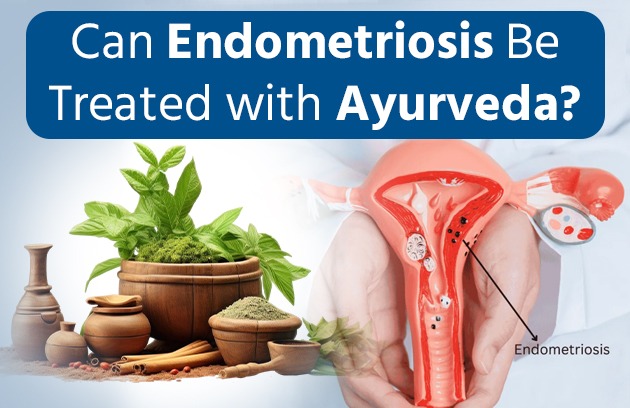
Can Endometriosis Be Treated with Ayurveda?
Endometriosis is a persistent disorder whereby tissue which appears similar to the uterine lining, develops outside the uterus. It brings about serious pain in the pelvis, irregular periods and occasionally infertility. The traditional therapies typically entail medication and surgery, whereas most women are inclined to apply the holistic approaches to alleviate symptoms and promote overall reproductive health. Ayurveda addresses the Endometriosis Treatment by balancing the doshas in the body which reflects in enhancing digestion, reducing inflammation, and balancing hormones to reduce pain and prevent progression of the disease.
Understanding Endometriosis from an Ayurvedic Perspective
Endometriosis in Ayurveda is mostly associated with imbalances in Vata and Kapha doshas. Vata controls movement and nerve impulses; when it is not balanced, it may cause severe cramps, abnormal cycles and abnormal growth of tissues. Swelling, cysts and heavy bleeding may be the result of kapha imbalance. Ayurvedic practitioners believe that Endometriosis Treatment in Ayurveda aims to restore these doshas through natural therapies, herbal remedies, dietary changes, and lifestyle modifications. This is a holistic way of treating the condition not only with the symptoms but also addressing the underlying cause of the condition.
Herbal Remedies in Ayurveda for Endometriosis
Ayurvedic medicine of endometriosis is based on selected herbs, which contain an anti-inflammatory effect, hormonal balance, and uterine well-being. The herbs that are commonly prescribed are Ashoka (Saraca indica), Shatavari (Asparagus racemosus), Lodhra (Symplocos racemosa), and Turmeric (Curcuma longa). These plants have anti-inflammatory and anti-oxidant effects and help relieve pain and suppress inappropriate tissue development. Ayurvedic Treatment for Endometriosis also includes decoctions, herbal powders, and oils that improve blood circulation in the pelvic region and support reproductive health.
Panchakarma Therapy
Panchakarma is a traditional Ayurvedic cleansing process, which is a major factor in dealing with endometriosis. Its primary routines, Virechana (purification), Basti (enema with medications) and Abhyanga (oil massage) eliminates toxins (ama), harmonizes doshas, and alleviates pain. This Ayurvedic Treatment for Endometriosis is believed to reduce the adhesions, normalize the menstrual flow, and enhance the reproductive health of the participants overall. Most of the women say that they experienced a significant reduction in their pain in the pelvis and an increase in energy after getting treatment with professional help.
Dietary and Lifestyle Modifications
The balance of the hormone and inflammation, which are essential in the endometriosis management, are directly influenced by eating. Ayurveda recommends a light and easy to digest diet consisting of fresh vegetables, fruits, whole grains and herbs that calm Vata and Kapha doshas. Processed food, dairy too much, and oily or spicy foods should be avoided and aggravate the symptoms. Yoga, meditation, and exercising will help to enhance the flow of blood, reduce stress and stabilize the hormones. Natural Endometriosis Treatment in Ayurveda often emphasizes these lifestyle adjustments for long-term benefits.
Role of Expert Guidance
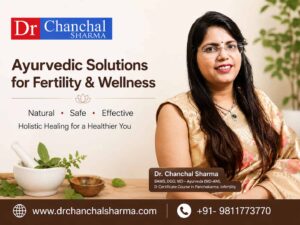
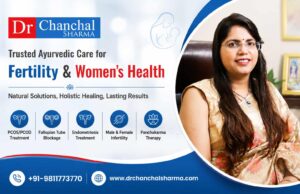
The safety and efficacy of the Ayurvedic diet should be assisted by a professional Ayurvedic doctor. Dr. Chanchal Sharma is a famous Ayurvedic medical practitioner and has years of experience in treating endometriosis using personalized herbal treatments, Panchakarma, and lifestyle modification. Patients under him are provided with a treatment based on dosha imbalance, age, and intensity of the symptoms, which enhances the results and quality of life.
Advantages of Ayurvedic Treatment
The Ayurvedic medicine of endometriosis has numerous advantages. It is natural, non-invasive and aims at the overall wellbeing instead of merely concealing symptoms. Frequent endometriosis treatment in Ayurveda is used to alleviate pain, stabilize the cycles, increase fertility, and prevent relapse. Addressing the underlying cause, it promotes self-healing abilities of the body and reduces the necessity of the prolonged use of medication or surgical intervention.
Conclusion
To conclude, Ayurveda is a safe and effective method of treating endometriosis. It involves a combination of herbal treatment, Panchakarma treatments, dieting, and lifestyle modification to achieve hormonal balance in the body to curb inflammation and reproductive health. Professional care by practitioners like Dr Chanchal Sharma is a one on one care that addresses personal needs. Ayurvedic treatment is holistically oriented and has long-term symptom relief and improvement in the general well-being.