
Low AMH Treatment Delhi – Ayurvedic Fertility Solutions
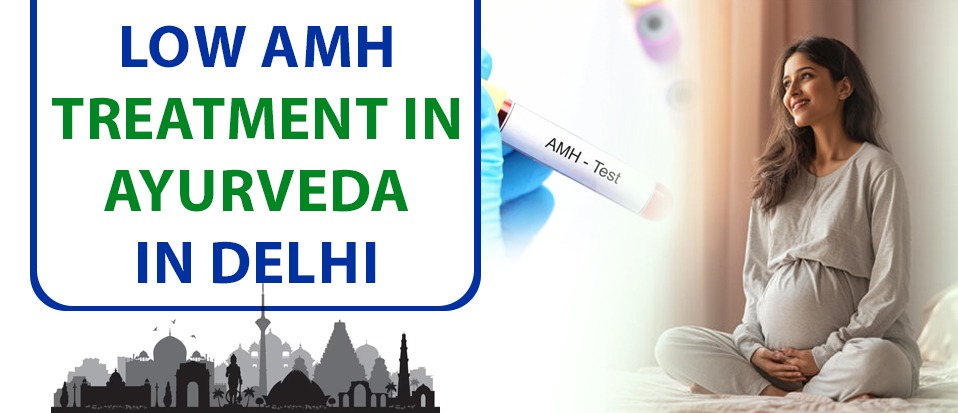
Low AMH, or Anti- Müllerian Hormone deficiency, is an increasing issue that concerns women who desire to have a baby. The condition is an indicator of the ovarian reserve of a woman, which is the number and quality of the eggs that her ovaries can generate. Most women identify the problem after experiencing difficulties in getting pregnant, typically in their late 20s or 30s. While traditional medicine offers limited options, many women are turning to natural and holistic treatments instead. Ayurvedic management of Low AMH Treatment in Delhi has had promising results, including increasing fertility without medication, balancing hormones, and enhancing the functioning of the ovaries.
What is the disease?
Low AMH implies that the amount of Anti- Müllerian Hormone in the blood is low. This hormone shows the number of eggs that the ovaries still contain. An AMH test examines these levels to assess the health of the ovaries and fertility potential. The Low amh level is not necessarily an indicator that a woman is infertile, but it indicates that her ovarian reserve is depleting at a rate that is more than usual. Low AMH in Ayurveda is regarded as a disproportion of doshas in the body, particularly Vata and Pitta, which may impair the strength and vitality of the reproductive system.
Low AMH Causes
The causes of low AMH may include a number of medical, lifestyle, and genetic factors. Knowledge of these causes will assist in designing a successful low amh treatment in ayurveda to restore natural fertility.
Common causes include:
- Age: Age is the most prevalent cause – AMH naturally decreases past the age of 30.
- Genetic influences: There are women who are genetically predisposed to early ovarian insufficiency.
- Stress: Stress leads to hormonal imbalances and may result in abnormal ovulation.
- Lifestyle practices: Low-quality diet, lack of sleep, smoking, and alcohol intake decrease the quality of eggs.
- Polycystic Ovary Syndrome (PCOS): AMH production may decrease due to hormonal imbalance caused by PCOS.
- Autoimmune disorders: This is a condition where the immune system assaults ovarian cells.
- Environmental toxins: Exposure to chemicals and pollutants can damage ovarian tissues.
- Past medical interventions: Chemotherapy, radiation, or ovarian surgeries diminish ovarian reserves.
The stresses of modern lifestyle, environmental conditions, and late childbearing have increased low AMH among urban women.
Common Symptoms of Low AMH
It does not always have any noticeable physical symptoms, and many women only find out that they have low AMH after they develop fertility issues. There may be some minor hints, such as:
- Irregular periods
- Difficulty conceiving
- Hot flushes or night sweats
- Low energy levels
- Low libido
- Mood swings
- Dry skin
- Hair thinning
If you experience these low amh symptoms, it’s advisable to undergo an AMH test for proper evaluation.
Diagnosis
A simple blood test known as the AMH test is the primary method of diagnosing low AMH. It may be administered at any stage of the menstrual cycle since AMH levels are not highly fluctuating.
Other types of diagnosis can involve:
- Transvaginal ultrasound: To count the number of follicles in the ovaries (Antral Follicle Count).
- Hormone analysis: Tests for FSH, LH, and oestrogen levels to assess overall reproductive health.
- Medical history and physical examination: To rule out underlying health issues like thyroid or PCOS.
Read more : कम एएमएच (Low AMH) में कैसे करें गर्भधारण ?
How to Increase AMH Levels Naturally – Dr Chanchal Sharma
Treatment / Solutions
Traditional medicine typically deals with hormone treatment or IVF. However, Ayurveda primarily concentrates on the natural rejuvenation of the ovaries through the balancing of doshas within the body, thereby enhancing reproductive health internally.
If you are seeking a holistic approach, the Ayurvedic low-AMH treatment is a safe and effective option.
Ayurvedic Therapies and Herbs:
- Ashwagandha: Helps in eliminating stress and balancing hormones.
- Shatavari: Also referred to as the queen of fertility herbs; it feeds ovaries and enhances the quality of eggs.
- Gokshura and Lodhra: Aid in reproductive tissue regeneration.
- Phala Ghrita: A medicated ghee which enhances the reproductive organs.
- Panchakarma Detox: A detoxing treatment that eliminates toxins and enhances hormonal activity.
Dietary Recommendations:
- Add ghee, milk, nuts and fresh fruits to your meals.
- Avoid processed foods, alcohol, caffeine and excessive salt.
- Take warm water and herbal teas to stimulate metabolism.
Lifestyle Changes:
- Focus on adequate sleep and set a rhythm.
- Do yoga and pranayama to reduce stress and to stimulate blood flow to the reproductive organs.
- Restrict late-night and screen time.
Expert Consultation:
A visit to a low-AMH expert in Delhi who teaches Ayurveda will provide you with a personalized program based on your Prakriti (constitution). Through continued therapy, most women experience increased AMH levels, increased ovulation, and natural fertility.
Prevention/care tips
- Begin fertility health check-ups early, especially if planning pregnancy after 30.
- Follow a balanced diet rich in antioxidants and iron.
- Manage stress through meditation, journaling, or nature walks.
- Avoid chemical-based beauty or cleaning products.
- Stay hydrated and physically active.
- Get regular AMH and hormone tests to monitor ovarian health.
Conclusion
Low AMH may be a distressing experience, though not the end of your fertility journey. Ayurveda is a natural, gentle and effective method that does not conflict with your body. Women can revive their reproductive vitality through a combination of detoxification, herbal use, strict lifestyle practices, and meditative composure. In addition to boosting ovarian health and enhancing egg quality, you can also be empowered to go on with the motherhood process with renewed hope with the help of a trusted Low AMH Doctor in Delhi.
FAQs (Frequently Asked Questions)
Q1: Can Ayurveda really improve low amh levels?
Yes, Ayurvedic treatment helps rejuvenate ovarian function naturally and has shown positive outcomes in many cases.
Q2: How long does it take to see results?
Results vary by individual but most women notice improvement in 3–6 months with consistent treatment and diet.
Q3: Is the AMH Test necessary before starting treatment?
Yes, the AMH Test is crucial to evaluate your current ovarian reserve and track progress.
Q4: Are Ayurvedic medicines safe for fertility?
Yes, when prescribed by a certified Ayurvedic practitioner, they are completely safe and free from side effects.
Q5: Can I take Ayurveda treatment along with IVF?
Yes, Ayurveda can complement IVF by improving egg quality, uterine health, and overall fertility wellness.