BASTI
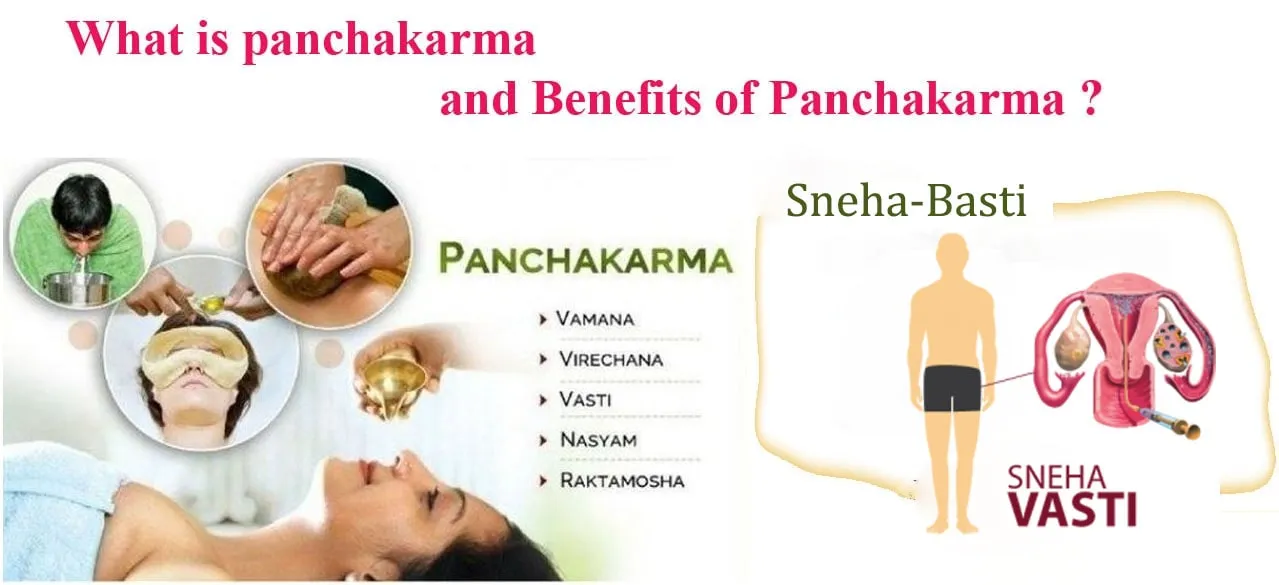
Basti is one of the special therapy of Ayurveda that comes under panchakarma. The method involves administering enema with medicated decoction, ghee, oil etc through the rectal, vaginal or urethral route. It is a treatment of choice for vata related disorder. Basti is one of the most valuable asset of panchakarma. The word basti means bladder. In ancient times bladder of animal was used for the therapy, hence the name basti. The word basti is always understood as Niruh Basti.
Basti can be defined as-
वस्तिना दीयते इतिह वस्ति : | |
When the medicine is given using basti, it is called basti karma. The procedure in which medicines in the form of liquid is administered through rectal route using basti is called ‘basti’. By the word basti, it always means niruha basti.
ROUTES OF ADMINISTRATION OF BASTI
Basti is mainly administered through 3 different routes –
1) Urethral route- it is beneficial in treating uro genital disorders.
2) Vaginal route- it is used for treating issues related to female reproductive system.
3) Anal route- it is beneficial for all other purposes.
HERBS USED IN BASTI KARMA
Ingredient used in basti karma is called vasti dravya. It may be parts of medicinal plant, animal products, honey and etc. It is not possible to mention the vasti dravya as many materials can be combined in various ways.
TYPES OF BASTI THERAPY
1) On the basis of administration basti is of 4 types –
a)Pakwashaya gata – administered through anal route into the large intestine.
b) Garbhashaya gata – given through vaginal route.
c) Mutrashaya gata – through urethral route in both men and women.
d) Vrana gata – directly to the wounds.
2) On the basis of type of medicated liquid used-
Niruha basti – medicine used is kashaya or decoction. ‘Niruh’ word means eliminate, basti therapy eliminates the disease from the body hence the name niruh basti. Some of the dravya used are- madana, yashtimadhu, dashmoola, yava, honey, kulattha etc.
Madhu tailika basti – it is a type of niruh basti where madhu (honey) and taila (oil) is used, hence the name madhi tailika basti.
Anuvasana basti – here medicated oil or ghee is used. The word ‘anuvasana’ means to stay for a long duration in the intestine, bladder or uterus without causing any problem. It can be used on a daily basis hence the name anuvasana basti. Herbs used in this are- rasna, shatapushpa, bilwa, rakta punarnava, shweta punarnava, agnimantha etc.
3) On the basis of function –
a) Shodhana basti – when the medicine used in basti aims in expelling the doshas and toxins from the body, it is called shodhana basti.
b) Lekhana basti – this basti is beneficial in depleting the body fat hence used in treating obesity.
c) Snehana basti – snehana means to provide lubrication. It is beneficial in lubricating the cells of the body.
d) Brimhana basti – it enhances the muscles in terms of quality and quantity.
PROCEDURE OF BASTI THERAPY
Like all the steps in panchakarma, basti therapy also includes 3 steps –
1) Purva Karma – the success of basti therapy depends on the pre treatment procedures. Snehana and swedana is done. Snehana is done mainly in the abdominal region and hot water bag fomentation on the same area. Dosha analysis, medicine dosage, deciding the day of procedure, time factor, compatibility of diet-lifestyle etc, is taken into consideration.
2) Pradhan Karma – it includes 3 steps i.e a) method of administering basti b) positioning the patient and c) return of basti dravya i.e when the medicine comes out of the gut.
3) Paschat karma – it includes all the measures taken after giving basti therapy such as proper diet plan and lifestyle protocol etc.
INDICATIONS OF BASTI KARMA
Indications of basti are –
Disease affecting the whole body or part of body or abdominal viscera
Obstruction of urine, flatus, stool and semen.
Numbness of body
Muscle wasting
Decrease in strength
Worm infestation
Abdominal tumor
Heaviness in the body
Dysuria
Piles
Gout
Renal stone and all diseases caused by vitiated vata dosha.
CONTRAINDICATIONS OF BASTI –
Conditions that are contraindicated in basti karma are as below –
- Excessive external and
- internal oleation
- Indigestion and low
- digestion
- Tired due to travelling
- Thirst
- Fatigue
- Emaciated person
- After drinking water
- After intake of food
- After vamana therapy
- Person in pain, anger
- or intoxicated
- Excessive salivation
- Ascites
- Intestinal obstruction
- Pain in abdomen
- Skin disorder
- Anemia
- Old aged people etc.
BENEFITS OF BASTI THERAPY
The basti therapy with certain herbal formulations helps in-
- Throwing out the morbid doshas from the body.
- Pacifies the aggravated doshas.
- Emaciation
- Putting on weight
- Improves fertility in men and women
- Provides nourishment to the eyes
- Delays ageing and prevents premature greying
- Enhances the skin color
- Promotes health
Increases life span and - Improves the quality of life.
Basti is not only beneficial for treating diseases but is also highly beneficial in rejuvenating treatment. Because of so many benefits and healing ability the Basti therapy is considered mother of all treatments.