
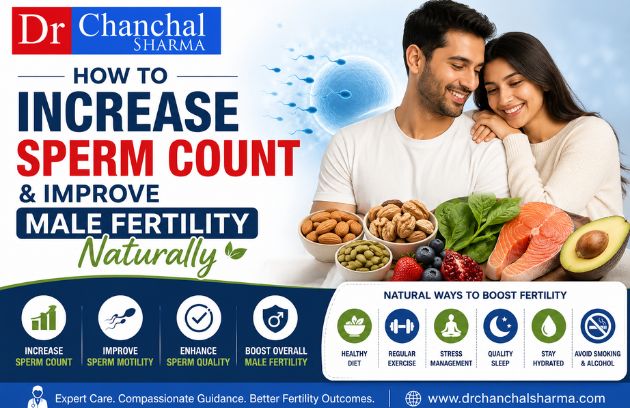
Male fertility plays a crucial role in achieving a healthy pregnancy, yet many men today struggle with low sperm count, poor motility, and reduced sperm quality. If you’re searching for answers like how to increase sperm count, how to improve sperm quality, or how to make sperm stronger for pregnancy, you’re not alone.
Modern lifestyle, stress, poor diet, and environmental toxins are major contributors to declining sperm health. The good news is that with the right approach, it is possible to increase sperm count naturally, improve motility, and boost overall reproductive health.
Experts like Dr Chanchal Sharma emphasize that a combination of diet, lifestyle changes, and proper medical guidance can significantly improve male fertility outcomes.
What is Normal Sperm Count?
Understanding normal sperm count is the foundation of male fertility. Many people assume fertility is only about how many sperm are produced, but in reality, count, movement (motility), and shape (morphology) all work together to determine the chances of pregnancy. According to global medical standards like the WHO guidelines, here’s what each parameter means—and why it matters.
According to WHO guidelines:
- Normal sperm count: Sperm count refers to the number of sperm present in one milliliter (ml) of semen. A normal sperm count is considered 15 million sperm per ml or higher.
- Total sperm per ejaculation: While sperm concentration measures sperm per ml, total sperm count measures the overall number of sperm in a single ejaculation, which should be at least 39 million or more.
- Sperm motility: Sperm motility refers to the ability of sperm to move properly, and at least 40% of sperm should be actively moving.
- Morphology (shape): Morphology refers to the shape and structure of sperm, and at least 4% of sperm should have a normal shape.
Why It Matters
Fertility is not dependent on just one factor. A man may have a high sperm count but still face difficulty in conception due to poor motility or abnormal morphology.
That’s why focusing on:
- how to increase sperm count and motility naturally
- how to improve sperm quality
is essential for successful pregnancy.
In simple terms:
- Count ensures enough sperm are present
- Motility ensures sperm can reach the egg
- Morphology ensures sperm can fertilize the egg
When all three are balanced, the chances of conception increase significantly.
Causes of Low Sperm Count & Poor Motility
Before focusing on how to increase male sperm count, it’s essential to understand the root causes behind low sperm production and poor motility. Identifying these factors early can help you take the right steps toward improving fertility.
1. Lifestyle Factors
Your daily habits have a direct impact on sperm health. Unhealthy lifestyle choices are among the most common reasons for reduced sperm count and motility.
- Smoking: Cigarettes contain harmful chemicals that damage sperm DNA, reduce sperm production, and negatively affect motility. Long-term smoking can significantly lower fertility levels.
- Alcohol Consumption: Excessive alcohol disrupts hormone levels, especially testosterone, which is crucial for sperm production. It also affects liver function, indirectly harming reproductive health.
- Lack of Sleep: Poor sleep reduces testosterone levels and interferes with the body’s natural repair processes. Since sperm production follows a cycle, insufficient rest can reduce both quantity and quality.
Making healthier lifestyle choices is often the first step when addressing how to increase sperm count naturally.
2. Poor Diet
Nutrition plays a vital role in sperm development. A diet lacking essential nutrients can lead to weak, slow, or fewer sperm.
- Deficiency of zinc, vitamin C, vitamin E, and folic acid can reduce sperm count and motility.
- Processed foods, junk food, and high sugar intake increase oxidative stress, which damages sperm cells.
A balanced diet rich in fruits, vegetables, healthy fats, and protein is crucial for improving sperm health. This is why many experts recommend dietary changes when discussing how to improve sperm quality.
3. Obesity
Being overweight or obese can significantly affect male fertility.
- Excess body fat leads to hormonal imbalance, especially increased estrogen and reduced testosterone levels.
- Obesity also increases inflammation and oxidative stress, which negatively impacts sperm production and movement.
Maintaining a healthy weight through proper diet and exercise can help restore hormonal balance and improve sperm parameters.
4. Heat Exposure
Sperm production requires a temperature slightly lower than normal body temperature. Excess heat around the testicular area can reduce sperm production.
Common causes include:
- Tight underwear that restricts airflow
- Using a laptop on the lap for long periods
- Frequent hot baths or saunas
These habits increase scrotal temperature, which can damage sperm cells and reduce their count and motility. Switching to loose clothing and avoiding prolonged heat exposure can make a noticeable difference.
5. Stress
Chronic stress is another major factor affecting male fertility.
- Stress increases cortisol levels, which suppress testosterone production.
- It can also lead to unhealthy habits like smoking, poor diet, and lack of sleep, further worsening sperm health.
Managing stress through techniques like meditation, exercise, and proper rest is important when working on how to increase sperm count and motility naturally.
6. Medical Issues
Sometimes, low sperm count and poor motility are caused by underlying medical conditions.
- Varicocele: Enlarged veins in the scrotum that affect sperm production
- Hormonal Imbalance: Low testosterone or other hormonal issues
- Infections: Can interfere with sperm production and function
In such cases, professional medical evaluation is necessary. Consulting a fertility expert like Dr Chanchal Sharma can help identify the exact cause and provide targeted treatment.
How to Increase Sperm Count Naturally
How to Increase Sperm Count Naturally (Detailed Explanation)
If you’re searching for how to increase sperm count naturally, the good news is that your daily habits play a powerful role in improving male fertility. Sperm production is a continuous biological process, and small, consistent lifestyle changes can significantly boost both sperm count and overall reproductive health.
1. Maintain a Healthy Diet
A nutritious diet is the foundation of healthy sperm production. The body needs essential vitamins, minerals, and antioxidants to produce strong and active sperm.
Focus on:
- Fruits & vegetables: Rich in antioxidants like vitamin C and beta-carotene, which protect sperm from damage caused by free radicals.
- Whole grains: Provide steady energy and important nutrients like zinc and selenium that support sperm development.
- Lean protein: Sources like eggs, chicken, fish, and legumes help in hormone production, especially testosterone, which is essential for sperm formation.
A poor diet, especially one high in processed foods and sugar, can lead to oxidative stress and reduce sperm quality. That’s why improving nutrition is one of the most effective answers to how to increase sperm count naturally.
✔️ 2. Exercise Regularly
Regular physical activity is another key factor in boosting sperm count.
- Exercise helps increase testosterone levels, the primary hormone responsible for sperm production.
- It improves blood circulation, ensuring that reproductive organs receive proper oxygen and nutrients.
Moderate exercises such as walking, jogging, strength training, and yoga are highly beneficial. However, it’s important to avoid excessive or intense workouts, as overtraining can actually lower testosterone levels and negatively impact sperm production.
Making exercise a daily habit not only supports fertility but also improves overall health and energy levels.
✔️ 3. Sleep 7–8 Hours
Sleep is often overlooked, but it plays a crucial role in reproductive health.
- Testosterone production mainly occurs during sleep, especially deep sleep cycles.
- Poor sleep or irregular sleep patterns can reduce hormone levels, leading to lower sperm count and weaker sperm quality.
Men who consistently get 7–8 hours of quality sleep tend to have better sperm parameters compared to those who are sleep-deprived. Maintaining a fixed sleep schedule can greatly support natural fertility improvement.
✔️ 4. Stay Hydrated
Water is essential for almost every function in the body, including sperm production.
- Semen is largely composed of fluids, and proper hydration helps maintain healthy semen volume.
- Dehydration can reduce semen quality and affect sperm movement.
Drinking enough water throughout the day ensures that your body functions optimally and supports the production of healthy sperm. It’s a simple yet effective step in improving male fertility.
✔️ 5. Avoid Heat Exposure
Sperm production requires a temperature slightly lower than the body’s normal temperature. Excess heat around the testicular area can harm sperm cells and reduce their count.
Common habits to avoid:
- Wearing tight underwear: Restricts airflow and increases temperature
- Using a laptop on the lap: Direct heat exposure affects sperm production
- Long hot baths or saunas: Prolonged heat can damage sperm cells
Switching to loose-fitting clothing and minimizing heat exposure can help maintain an ideal environment for sperm production.
Improving sperm count naturally doesn’t require complicated treatments—it starts with simple, consistent lifestyle changes. By focusing on a healthy diet, regular exercise, proper sleep, hydration, and avoiding heat exposure, you can significantly increase sperm count in men over time.
Consistency is key. These habits may take a few weeks or months to show results, but they create a strong foundation for long-term reproductive health and increase the chances of successful conception.
How to Increase Sperm Motility
Sperm motility is one of the most important factors in male fertility. It refers to the ability of sperm to move efficiently, which is essential for reaching and fertilizing the egg. Even if sperm count is normal, poor motility can make conception difficult because the sperm may not be able to travel through the female reproductive system.
If you’re looking for how to increase sperm motility, focusing on lifestyle improvements and proper nutrition can make a significant difference.
✔️ Tips to Improve Sperm Motility
• Increase Antioxidant Intake
Antioxidants play a crucial role in protecting sperm from oxidative stress caused by free radicals. Oxidative damage can weaken sperm and reduce their ability to swim properly.
Including antioxidant-rich foods like fruits, vegetables, nuts, and seeds helps:
- Protect sperm cells from damage
- Improve sperm movement
- Enhance overall sperm health
This is one of the most effective natural methods for improving motility.
• Exercise Daily
Regular physical activity supports healthy sperm function.
- Exercise improves blood circulation, ensuring proper oxygen and nutrient supply to reproductive organs.
- It helps maintain optimal testosterone levels, which directly influence sperm production and motility.
Moderate activities such as brisk walking, jogging, yoga, and strength training are ideal. However, excessive exercise should be avoided, as it may reduce hormone levels.
• Reduce Alcohol Consumption
Alcohol can negatively affect sperm motility in multiple ways:
- It disrupts hormone balance, especially testosterone
- It increases oxidative stress in the body
- It may lead to poor sperm structure and reduced movement
Limiting or completely avoiding alcohol can significantly improve sperm motility over time.
• Avoid Smoking
Smoking is one of the major causes of poor sperm motility.
- Harmful chemicals in cigarettes damage sperm DNA
- Smoking reduces sperm movement and overall quality
- It also increases the number of abnormal sperm
Quitting smoking is a critical step for anyone serious about improving fertility and learning how to increase sperm motility naturally.
✔️ Key Nutrients for Better Motility
• Vitamin C
Vitamin C is a powerful antioxidant that:
- Protects sperm from oxidative damage
- Improves sperm count and motility
- Prevents sperm clumping, allowing smoother movement
Foods rich in vitamin C include oranges, lemons, strawberries, and bell peppers.
• Vitamin E
Vitamin E works alongside vitamin C to enhance sperm health.
- It protects the outer membrane of sperm cells
- Improves sperm movement and viability
- Supports overall reproductive health
Sources include almonds, sunflower seeds, and spinach.
• Coenzyme Q10 (CoQ10)
CoQ10 is known for its role in energy production at the cellular level.
- It provides energy to sperm, improving their swimming ability
- Enhances sperm motility and concentration
- Acts as an antioxidant to protect sperm cells
CoQ10 can be found in foods like fish, whole grains, and nuts, and is also available as a supplement.
How to Improve Sperm Quality
How to Improve Sperm Quality (Detailed Explanation)
Improving sperm quality involves much more than just increasing the number of sperm. True fertility depends on how healthy, functional, and genetically stable the sperm are. Even with a normal sperm count, poor quality can reduce the chances of successful fertilization and pregnancy. That’s why understanding the key focus areas and essential nutrients is important when learning how to improve sperm quality.
✔️ Key Focus Areas
• DNA Integrity
DNA integrity refers to the genetic health of sperm. Each sperm carries genetic material that combines with the egg to form an embryo. If this DNA is damaged, it can lead to:
- Reduced chances of fertilization
- Poor embryo development
- Increased risk of miscarriage
DNA damage is often caused by oxidative stress, smoking, pollution, and poor diet. Protecting sperm DNA requires antioxidants and a healthy lifestyle. Foods rich in vitamins C and E, along with avoiding toxins, can significantly improve DNA integrity.
• Hormonal Balance
Hormones play a central role in sperm production. Testosterone is the primary hormone responsible for sperm development, and any imbalance can directly affect sperm quality.
- Low testosterone can reduce sperm production and strength
- High stress increases cortisol, which suppresses reproductive hormones
- Poor sleep disrupts hormone cycles
Maintaining hormonal balance through proper sleep, regular exercise, and stress management is essential. A healthy endocrine system ensures that sperm are produced efficiently and function properly.
• Nutrient Levels
Sperm health depends heavily on the availability of key nutrients in the body.
- Deficiencies in vitamins and minerals can lead to weak, slow, or abnormal sperm
- Poor nutrition increases oxidative stress, damaging sperm cells
A balanced diet rich in essential nutrients supports every stage of sperm development—from formation to maturation. This is why nutrition is a core factor in improving overall sperm quality.
✔️ Essential Nutrients for Sperm Quality
• Zinc → Boosts Testosterone
Zinc is one of the most important minerals for male fertility.
- It helps increase testosterone levels
- Supports sperm production and motility
- Improves overall reproductive function
Low zinc levels are directly linked to reduced sperm count and poor quality. Foods like pumpkin seeds, nuts, whole grains, and legumes are excellent sources of zinc.
• Selenium → Improves Sperm Shape
Selenium is a powerful antioxidant that plays a key role in maintaining sperm structure.
- Helps improve sperm morphology (shape)
- Protects sperm from oxidative damage
- Enhances motility and function
Proper sperm shape is important for penetrating the egg during fertilization. Selenium-rich foods include Brazil nuts, eggs, fish, and whole grains.
• Folic Acid → Improves Sperm Health
Folic acid (vitamin B9) is essential for DNA synthesis and cell division.
- Supports healthy sperm development
- Reduces the risk of genetic abnormalities
- Improves sperm count and overall quality
It works best when combined with zinc, making it a powerful nutrient for male fertility. Leafy green vegetables, beans, citrus fruits, and fortified grains are good sources of folic acid.
Best Food to Increase Sperm Count & Quality
If you’re searching for food to increase sperm quality or how to increase sperm count by food, here are the best options:
Nuts & Seeds
- Walnuts
- Almonds
- Pumpkin seeds
Omega-3 Rich Foods
- Fish
- Flaxseeds
Fruits
- Oranges
- Berries
- Bananas
Vegetables
- Spinach
- Broccoli
Protein Sources
- Eggs
- Chicken
- Lentils
Special Fertility Foods
- Garlic → improves blood flow
- Ashwagandha → boosts sperm count
A balanced diet is the most natural way to increase sperm count naturally.
Lifestyle Changes to Boost Male Fertility
When it comes to improving male fertility, lifestyle plays a major role. Simple daily habits can either support or harm sperm production, motility, and overall reproductive health. If you’re trying to increase sperm naturally and improve your chances of conception, focusing on these key lifestyle changes can make a significant difference over time.
✔️ Exercise
Regular physical activity is one of the most effective ways to boost male fertility.
- 30 minutes daily: Engaging in moderate exercise such as walking, jogging, cycling, or strength training helps improve blood circulation and supports hormone production. Better blood flow ensures that reproductive organs receive enough oxygen and nutrients, which are essential for sperm development.
- Boosts testosterone: Exercise naturally increases testosterone levels, the primary hormone responsible for sperm production.
- Avoid overtraining: While exercise is beneficial, excessive or intense workouts can have the opposite effect. Overtraining may lower testosterone levels and increase stress hormones, which can negatively impact sperm count and quality.
The key is consistency and balance—moderate exercise performed regularly can significantly improve reproductive health.
✔️ Stress Management
Stress is often an overlooked factor, but it has a strong impact on fertility.
- Meditation: Practicing meditation helps calm the mind, reduce anxiety, and lower cortisol levels. High cortisol (stress hormone) can interfere with testosterone production and sperm formation.
- Yoga: Yoga combines physical movement with breathing techniques, improving both mental and physical health. Certain yoga practices also enhance blood flow to the reproductive organs and support hormonal balance.
Chronic stress can disrupt hormone levels, reduce libido, and negatively affect sperm quality. Managing stress effectively is essential when working on long-term fertility improvement.
✔️ Avoid Toxins
Environmental toxins can silently damage sperm health over time.
- Reduce plastic use: Plastics often contain chemicals like BPA (bisphenol A), which can disrupt hormones and lower sperm count. Avoid storing food in plastic containers, especially when heating.
- Avoid pesticides: Exposure to pesticides and chemicals in food can harm sperm production and lead to poor sperm quality. Choosing organic foods or washing fruits and vegetables thoroughly can help reduce this risk.
Other toxins such as pollution, heavy metals, and industrial chemicals can also affect fertility. Minimizing exposure to harmful substances is an important step toward improving sperm health.
✔️ Quit Smoking & Alcohol
Smoking and excessive alcohol consumption are two of the most damaging habits for male fertility.
- Smoking: Cigarettes contain toxic chemicals that damage sperm DNA, reduce sperm count, and decrease motility. Smoking also increases the number of abnormal sperm, lowering the chances of successful fertilization.
- Alcohol: Excessive alcohol intake disrupts hormone levels, especially testosterone, and can impair sperm production. It also affects liver function, which indirectly influences reproductive health.
Reducing or completely quitting these habits can lead to noticeable improvements in sperm count, motility, and overall quality within a few months.
Medical Treatments & When to See a Doctor
If natural methods are not giving results after consistent effort, seeking medical help becomes important for proper diagnosis and treatment
Signs you need professional help:
- Trying to conceive for more than 1 year without success
- Diagnosed with very low sperm count or poor motility
- Erectile dysfunction or difficulty maintaining erection
- Symptoms of hormonal imbalance such as low energy, low libido, or fatigue
Available medical treatments:
- Medications to improve sperm production and overall sperm health
- Hormone therapy to correct testosterone and other hormonal imbalances
- Assisted reproductive techniques such as IVF (In Vitro Fertilization) and IUI (Intrauterine Insemination)
- Advanced fertility evaluations to identify underlying issues
Early diagnosis increases the chances of successful treatment and conception
Consult Dr Chanchal Sharma for accurate diagnosis, expert guidance, and personalized fertility treatment plans tailored to your condition.
Role of Dr Chanchal Sharma in Fertility Treatment
Dr Chanchal Sharma is known for:
- Personalized fertility treatments
- Advanced diagnostic methods
- Holistic approach (diet + lifestyle + medical care)
Her expertise helps couples achieve successful pregnancies with the right guidance.
Tips for Faster Pregnancy Success
- Track ovulation cycle
- Maintain healthy lifestyle
- Have regular intercourse
Both partners’ health matters for successful conception.
Frequently Asked Questions
Q1. What is a normal sperm count?
A normal sperm count is at least 15 million sperm per ml of semen, according to WHO guidelines. Higher counts generally improve the chances of successful fertilization.
Q2. How to increase sperm count naturally?
You can increase sperm count naturally by maintaining a healthy diet, exercising regularly, sleeping 7–8 hours, staying hydrated, and avoiding smoking, alcohol, and heat exposure.
Q3. How to increase sperm motility?
To increase sperm motility, focus on antioxidants like vitamin C and E, exercise daily, reduce alcohol intake, and avoid smoking. These steps improve sperm movement and overall fertility.
Q4. How to improve sperm quality?
Improving sperm quality involves maintaining hormonal balance, eating nutrient-rich foods, reducing stress, and ensuring proper intake of zinc, selenium, and folic acid.
Q5. Can food increase sperm count?
Yes, diet plays a major role. Foods rich in zinc, omega-3 fatty acids, antioxidants, and vitamins can help increase sperm count and improve sperm quality naturally.
Q6. How long does it take to increase sperm count?
It usually takes around 2 to 3 months to see improvement, as sperm production cycles take about 70–90 days.
Q7. What are the main causes of low sperm count?
Common causes include poor lifestyle habits (smoking, alcohol), stress, obesity, poor diet, heat exposure, and medical conditions like hormonal imbalance or varicocele.
Q8. How to make sperm stronger for pregnancy?
To make sperm stronger, focus on a healthy diet, regular exercise, proper sleep, and antioxidant intake. Avoid toxins, smoking, and alcohol for better results.
Q9. When should I see a doctor for low sperm count?
You should consult a specialist if you’ve been trying for over a year without success, have very low sperm count, or face hormonal or sexual health issues. Consulting Dr Chanchal Sharma can help with proper diagnosis.
Q10. Can sperm count be improved permanently?
Yes, in many cases sperm count can be improved with long-term lifestyle changes, proper nutrition, and medical treatment if required. Consistency is key for lasting results.
Improving sperm health is possible with the right combination of diet, lifestyle, and medical support. Whether you’re trying to understand how to increase sperm count, how to increase sperm count and motility naturally, or how to improve sperm quality, consistency is key.For personalized treatment and expert guidance, consulting Dr Chanchal Sharma can significantly improve your chances of conception.
