
PCOD Diet Chart by Drchanchal Sharma – What to Eat and Avoid
If you have been diagnosed with PCOD (Polycystic Ovarian Disease) or PCOS (Polycystic Ovary Syndrome), you are not alone. Many women today struggle with this condition due to lifestyle changes, stress, and poor eating habits. The good news is — PCOD can be managed effectively with the right diet and lifestyle.
This beginner-friendly PCOD diet chart will help you understand what to eat, what to avoid, and how to improve your health naturally. If you need expert help, you can also search for a PCOS clinic near me or consult a PCOS doctor in Delhi for personalized Pcod treatment.
Understanding PCOD and Its Symptoms
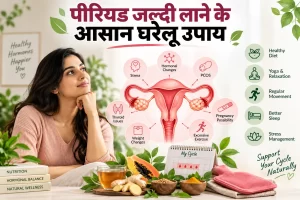
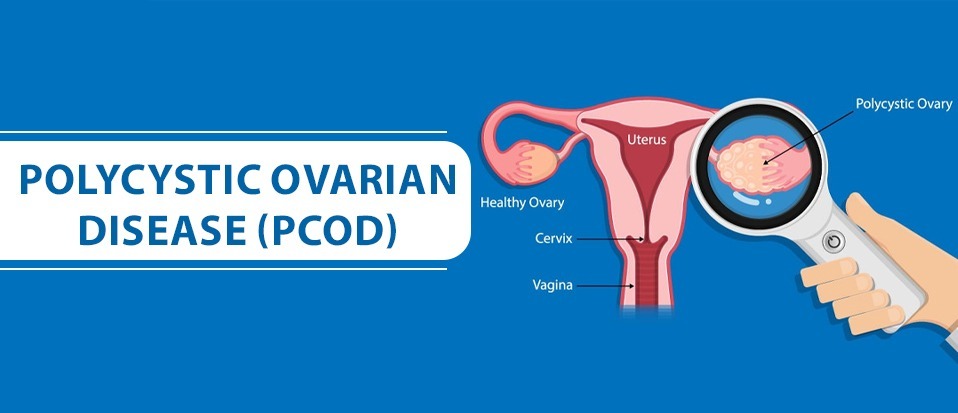
PCOD happens when a woman’s ovaries produce more male hormones (androgens) than normal. This leads to hormone imbalance and can cause several issues such as:
- Irregular or missed periods
- Weight gain, especially around the abdomen
- Acne and oily skin
- Excess facial or body hair
- Hair thinning on the scalp
- Difficulty getting pregnant
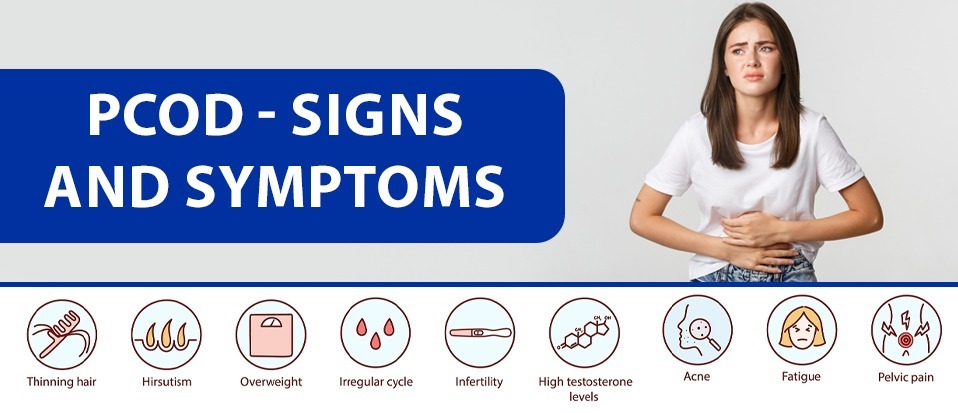
If you experience these Pcos Symptoms, it’s important to get medical advice early. Along with treatment, following a proper diet plays a major role in balancing your hormones.
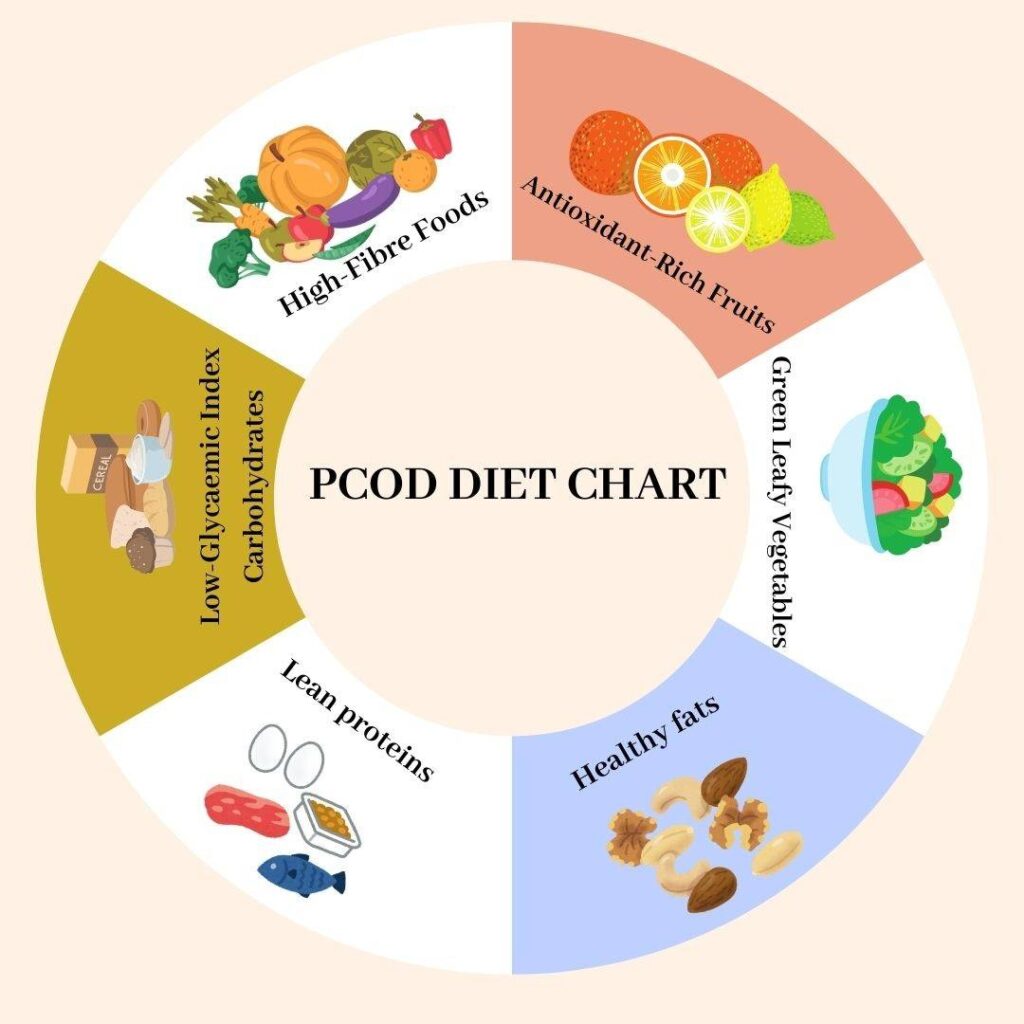
Best Foods to Include in a PCOD Diet
Eating clean and balanced meals can help regulate insulin levels and support hormonal balance. Here’s what to include in your daily diet:
1. High-Fiber Foods
Fiber slows down digestion and reduces blood sugar spikes.
- Examples: Broccoli, spinach, beans, oats, flaxseeds, lentils, apples, and pears.
2. Lean Protein
Protein supports muscle repair and keeps you full for longer.
- Examples: Paneer, tofu, eggs, fish, chicken, sprouts, and legumes.
3. Healthy Fats
Good fats reduce inflammation and improve fertility.
- Examples: Olive oil, avocados, almonds, walnuts, chia seeds, and sunflower seeds.
4. Low Glycemic Index (GI) Foods
These foods prevent sudden insulin spikes.
- Examples: Brown rice, millets, whole grains, quinoa, sweet potatoes, and berries.
5. Probiotics
They improve gut health and hormone regulation.
- Examples: Yogurt, curd, kefir, and fermented foods like kimchi or sauerkraut.
6. Fluids
Stay hydrated to flush toxins from your body.
- Drink 2–3 liters of water daily, and include herbal teas or coconut water.
Foods to Avoid in PCOD
Certain foods can worsen insulin resistance and increase inflammation, making PCOD symptoms worse. Avoid:
- Refined Sugar – Cakes, pastries, and sugary drinks.
- Refined Carbohydrates – White rice, white bread, and maida-based foods.
- Processed Foods – Packaged snacks, fast food, and instant noodles.
- Fried and Junk Foods – Deep-fried snacks, burgers, and pizza.
- Dairy (in excess) – Some women with PCOD are sensitive to dairy products, which may cause bloating or acne.
- Caffeine and Alcohol – Limit intake to prevent hormonal imbalances.
Sample PCOD Diet Plan for Beginners
| Time | Meal | Example |
| Early Morning | Warm water with lemon / methi seeds water | Boosts digestion and detoxifies the body |
| Breakfast | Oats porridge with fruits / vegetable poha / boiled eggs | Keeps you full and balances blood sugar |
| Mid-Morning Snack | Coconut water or a handful of nuts | Hydrating and full of nutrients |
| Lunch | Brown rice or millet roti + dal + green sabzi + salad | Balanced and fiber-rich |
| Evening Snack | Green tea + roasted chana / fruit | Boosts metabolism |
| Dinner | Grilled paneer / fish + sautéed vegetables / soup | Light and protein-rich |
| Before Bed | Herbal tea or turmeric milk (low-fat) | Helps relaxation and better sleep |
Lifestyle Tips for Managing PCOD
Diet is just one part of PCOD treatment. You also need to make healthy lifestyle choices:
- Exercise daily – Yoga, walking, cycling, or any physical activity for 30–45 minutes.
- Sleep well – 7–8 hours of good sleep helps hormone balance.
- Manage stress – Meditation, deep breathing, or hobbies help reduce stress hormones.
- Avoid crash diets – Eat balanced meals instead of skipping food.
- Regular check-ups – Visit a PCOS doctor in Delhi or a PCOS clinic near me for personalized care.
Final Thoughts
Managing PCOD takes time and patience, but with the right diet, exercise, and medical guidance, you can lead a healthy life. Remember to eat fresh, avoid junk food, and keep a consistent routine.
If your PCOS symptoms are severe or don’t improve with diet alone, consult a specialist for a complete PCOD treatment plan. You can easily find a PCOS doctor in Delhi or search for a PCOS clinic near me to get expert help.