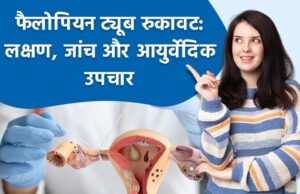


How Can I Get Pregnant With Blocked Fallopian Tubes?
Female infertility is also a frequent problem with blocked fallopian tubes and many women of reproductive age suffer from it. These tubes are important in the conception process, whereby the egg moves out of the ovary to the uterus, where it is fertilised. Natural conception is impaired when either or both tubes are blocked; therefore, it is harder to conceive. Women with this condition need to know what to expect, the causes, and available treatments.
Blocked Fallopian Tubes Symptoms
A block fallopian tube has no clear signs and symptoms in most women, and it is therefore difficult to detect at an early stage. Nevertheless, painful periods, pain in the pelvis, or abnormal vaginal discharge are some of the signs. Women can also have repeated miscarriages or fail to get pregnant even after regular unprotected sex. In case of a suspicion of a blockage, visit a gynaecologist as soon as possible; the first aid in the form of early diagnosis is more likely to result in a successful pregnancy.
Causes of Blocked Fallopian Tubes
Numerous factors can lead to tubal blockage. The tubes may be scarred and obstructed by pelvic infections, including PID, STIs, or postpartum or surgical untreated infections. The tubes may also be blocked by endometriosis, in which tissue like that of the uterine lining develops outside the uterus. This type is predisposed by prior abdominal surgeries or tubal ligation reversals. The root cause is identified to provide the most suitable treatment.
Blocked Fallopian Tubes Treatment
The Blocked Fallopian Tubes Treatment selection of treatment is based on the type and severity of blockage. Surgery, which is usually laparoscopy, may be done to remove scar tissue or repair tubes to aid natural conception. In case of severe or both-tube blockages, assisted reproductive technologies like IVF are beneficial. IVF fertilises the egg in vitro and implants the embryo into the uterus, bypassing the tubes. Physicians can also recommend lifestyle modifications, infection-preventive drugs, or the least invasive interventions to increase fertility.
Alternative Approaches and Supportive Care
Fertility can be assisted by supportive measures, although medical care is most effective. Maintain a normal weight, reduce stress and consume a balanced diet rich in vitamins and antioxidants to improve reproductive wellbeing. Some alternative medicines, such as acupuncture, yoga, etc., could help to get the hormones in balance and enhance circulation but should not be used instead of regular medical therapies.
Getting Pregnant With Blocked Fallopian Tubes
Obstructed passageways are defeated. The success of the recommended treatment plan largely depends on early diagnosis, accurate measurement of tubal damage, and adherence to it, which have a great likelihood of resulting in conception. Depending on your case, a fertility specialist will advise you on the most appropriate choice, which is the surgical repair or the IVF.
Conclusion
The presence of blocked fallopian tubes is a prevalent cause of infertility, although it does not automatically prove a diagnosis of infertility. Being aware of the Blocked Fallopian Tubes symptoms, researching the possible treatment, and cooperating with a medical practitioner could allow women to achieve their maternal desire. Pregnancy through modern fertility therapies, especially IVF, is now an achievable goal even when normal conception is a challenge and this has been a source of hope to many couples with tubal infertility.